
Endoscopic Brow Lift Complete Guide for a Rejuvenated, Natural Look
Endoscopic brow lift complete guide on procedure, recovery and results. Minimal scarring, modern technique and personalised approach.
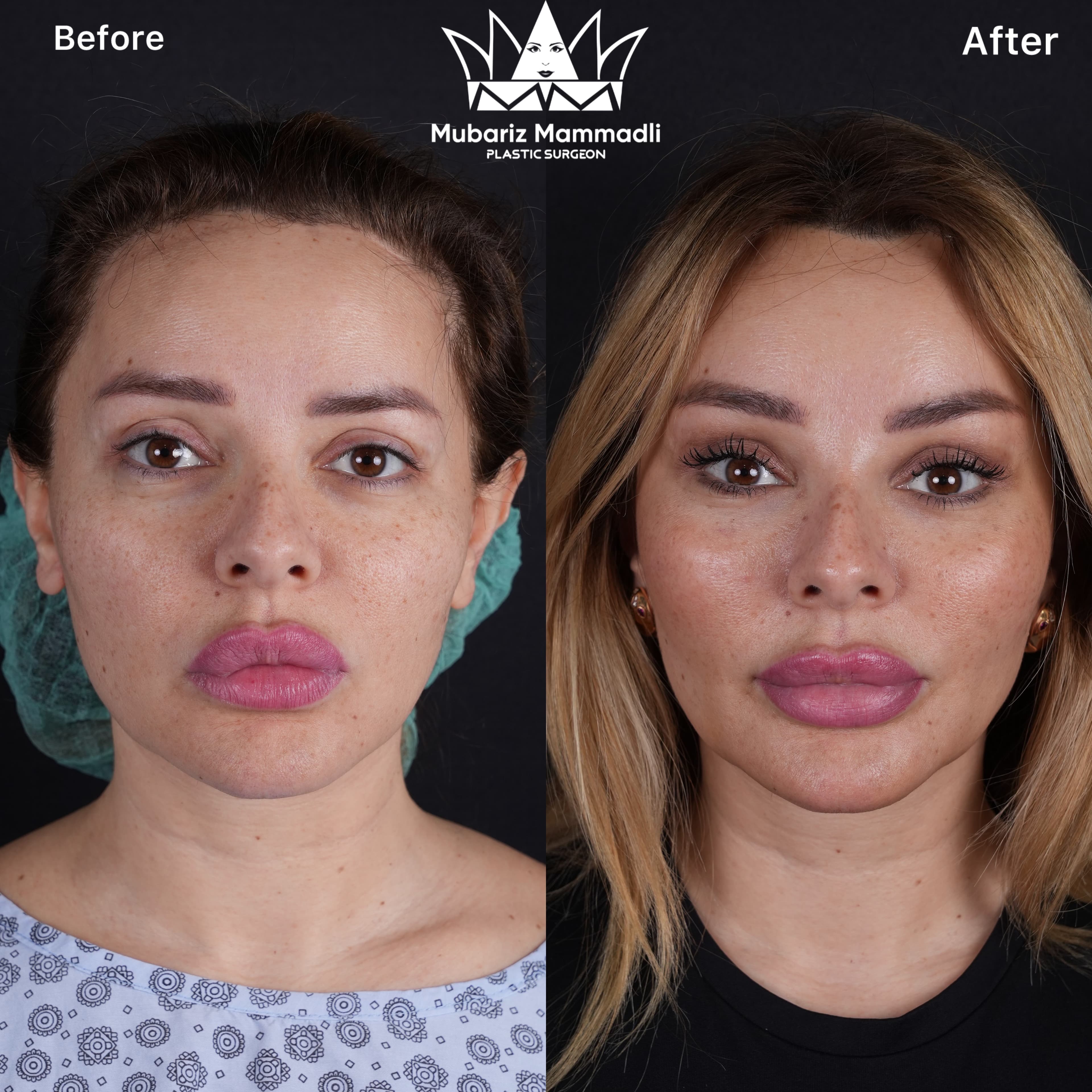
Endoscopic Brow Lift Complete Guide
A brighter, more open gaze does not require dramatic transformation it requires precise repositioning of underlying anatomical structures. Many patients notice that their facial expression has become tired or severe, even though their inner energy remains unchanged. An endoscopic brow lift offers a discreet solution, without visible scarring or an artificial appearance.
What Is an Endoscopic Brow Lift?
It is a modern, minimally invasive surgical procedure. It uses an endoscope a miniature video camera inserted through small incisions strategically hidden within the hairline.
Unlike traditional techniques, it does not require one long continuous incision. Just 3–5 access points, approximately 1 cm each.
Why Is the Endoscopic Technique Different?
The classic coronal lift required a long incision from ear to ear. This left extensive scarring and could affect scalp sensitivity long-term.
The endoscopic technique offers significant advantages:
Visual precision the HD monitor allows detailed visualisation of anatomical structures
Reduced bleeding endoscopic control minimises the risk of haematoma
Structural repositioning results depend on tissue repositioning, not skin tension alone
Minimal scarring small incisions become practically invisible after healing
Preserved hair density vertical, point-access approaches protect hair follicles
Who Is It Recommended For?
The procedure suits patients who notice:
Descended brows creating a severe or tired appearance
Horizontal forehead lines
A naturally low brow position due to bone structure
Brow asymmetry
Unlike botulinum toxin treatments whose effects are temporary an endoscopic brow lift offers a more durable structural correction.
How the Procedure Works Step by Step
1. Consultation and planning The surgeon analyses facial structure, skin quality and the degree of brow descent. A personalised plan is established.
2. Preoperative preparation Complete blood work and cardiac evaluation. We recommend lifestyle adjustments at least 2 weeks before surgery. Smoking must be stopped, as it reduces tissue oxygenation and can affect healing.
3. Anaesthesia The procedure is performed under general anaesthesia. Surgery typically takes 90–120 minutes.
4. Minimal incisions 3–5 small incisions in the scalp, behind the hairline.
5. Endoscopic visualisation The endoscope guides the surgeon for precise lifting and repositioning of tissues.
6. Fixation and closure Brows are secured in their new position using sutures or anchoring devices. Suture techniques used minimise scar visibility.
Safety During the Procedure
Continuous endoscopic visualisation protects the branches of the facial nerve responsible for brow movement. Precise dissection reduces bleeding and postoperative swelling. The surgeon can adjust lifting vectors for symmetrical, individually adapted results.
Natural Results Avoiding the "Operated" Look
Excessive lifting can create a "surprised brow" appearance a genuine risk with older or less precise techniques. Modern techniques use oblique and lateral pulling vectors, not pure vertical lifting. This respects individual anatomy and preserves natural expressiveness.
Personalisation by Gender
The male brow typically remains flatter and positioned lower. Female aesthetics generally allow a more pronounced arch. Personalisation accounts for each patient's individual facial structure.
Endoscopic Brow Lift vs. Botox
BotoxEndoscopic Brow LiftDuration of effect4–6 monthsYears varies individuallyType of correctionMuscle relaxationStructural repositioningSevere ptosisLimitedEffectively correctedRepetitionFrequently requiredNot requiredFacial mobilityTemporarily reducedPreserved
For significant brow ptosis, surgery offers a solution injections alone cannot achieve.
Recovery Timeline
First 48 hours Cold compresses and elevated head position including while sleeping. Swelling and bruising peak during this period.
Days 7–10 Sutures are removed. Most patients can resume normal social activities, with corrective makeup if needed.
Weeks 3–4 Strenuous physical activity and direct sun exposure can typically resume.
Months 3–6 Final results become fully visible as deeper healing completes.
Tips for Optimal Recovery
Facial lymphatic drainage may help reduce recovery time
Collagen-supporting supplements may be recommended by your surgeon
Periodic clinic check-ups monitor healing progress
How Long Do Results Last?
Duration varies considerably between patients, depending on tissue quality, lifestyle and the natural ageing process. For many patients, structural results last several years significantly longer than temporary non-surgical solutions. Discuss realistic expectations for your specific case with your surgeon.
Combined Procedures
An endoscopic brow lift is frequently combined with:
Upper and lower blepharoplasty for complete periocular rejuvenation
Deep Plane Facelift
Midface lift
The impact on crow's feet wrinkles is indirect and partial. Complementary procedures may be needed for specific correction of this area.
About Dr. Mubariz Mammadli
Dr. Mubariz Mammadli specialises in advanced endoscopic techniques and Deep Plane Facelift procedures. His approach focuses on refinement and preserving each patient's natural features, rather than dramatic transformation.
Conclusion
An endoscopic brow lift offers an effective solution for descended brows, with minimal scarring and relatively fast recovery. Results look natural when the procedure is performed with lifting vectors adapted to each patient's individual anatomy.
FAQ Endoscopic Brow Lift
How long do endoscopic brow lift results last? Results are structural and durable, but exact duration varies by patient tissue quality, lifestyle and the natural ageing process all influence longevity.
Will I have visible scars? Incisions are small 3–5, approximately 1 cm each and placed within the hairline. They become largely invisible after complete healing.
What is the difference between a temporal lift and a full brow lift? A temporal lift targets only the brow tail and temple area. A full endoscopic brow lift repositions the entire brow and smooths the forehead.
At what age is this procedure recommended? Most patients are between 40 and 60 years old. It may be recommended earlier in cases of congenitally low brow position.
Is the procedure painful? It is performed under general anaesthesia, with no pain during surgery. Postoperatively, a sensation of tightness may occur, manageable with standard analgesics.
How long will I need off work? Most patients return to work after 7–10 days, depending on the nature of their activity and how visible any residual swelling is.
Can it be combined with blepharoplasty? Yes. This combination is common for complete periocular rejuvenation the brow lift raises the brows while blepharoplasty addresses excess eyelid skin.
Does it also correct crow's feet? The impact is indirect and partial. Complementary procedures may be needed for specific correction.
Want a tailored opinion? Schedule a discreet consultation with Dr. Mubariz Mammadli.
Related reading
Aesthetic medicine blog

Education
The Complete Guide to Plastic Surgery in Bucharest
A complete guide to plastic surgery in Bucharest, procedures, pricing, travel planning, and what to ask before booking.
Education
Non-Surgical Rhinoplasty: When Is It Enough?
Non-surgical rhinoplasty uses filler to smooth bumps and refine your profile temporarily, but it has real limits worth understanding.

Education
Body Contouring: Shaping the Silhouette You Want
A clear guide to body contouring surgery, liposuction, abdominoplasty, body lift and more, what each procedure does and how to choose the right one.