
Aesthetic Nasal Analysis Before Surgery
Aesthetic nasal analysis before rhinoplasty stages, modern tools and evaluation criteria for natural and harmonious results.
Aesthetic Nasal Analysis Before Surgery
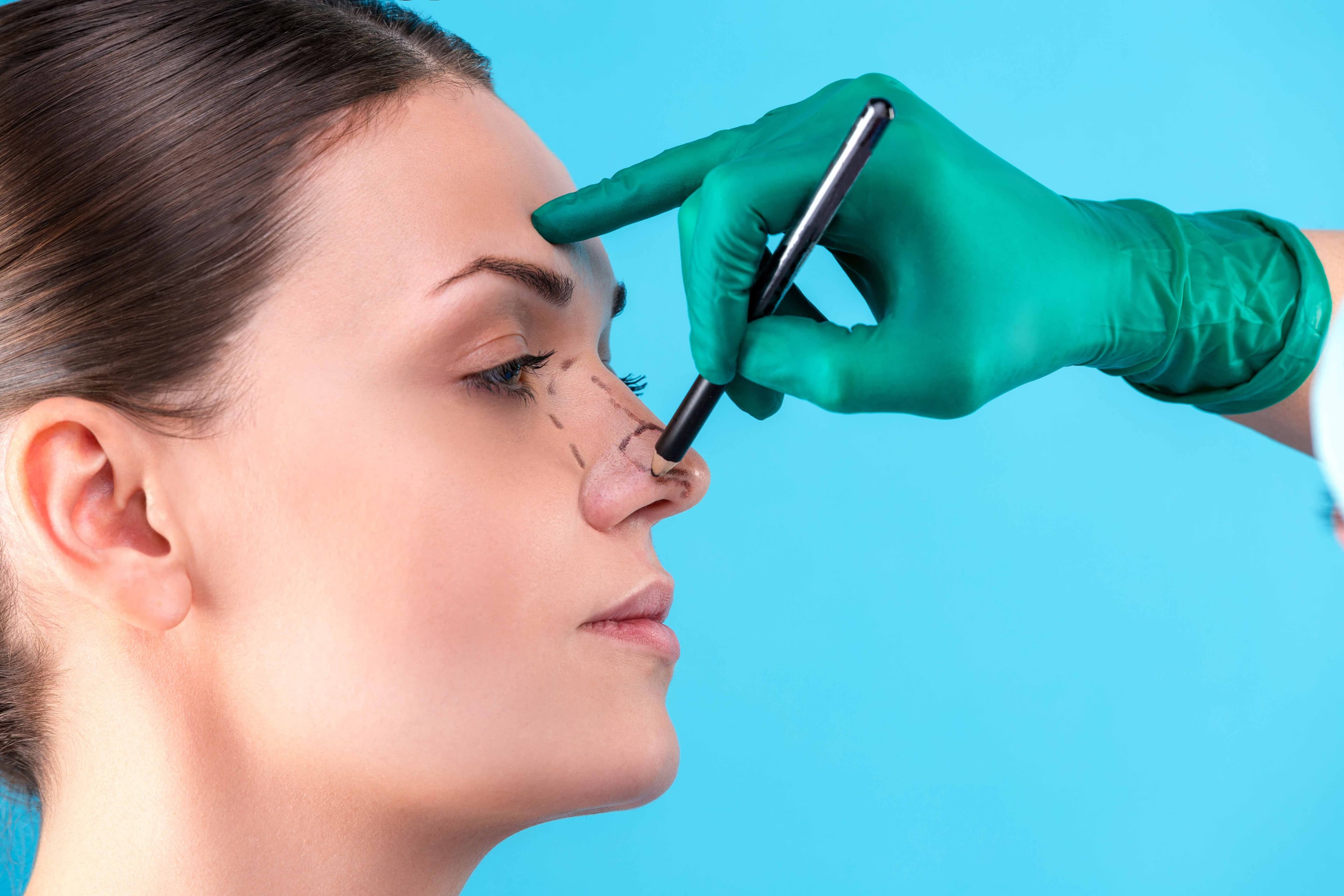
Aesthetic nasal analysis is the foundation of every successful rhinoplasty. Before modifying any structure, the surgeon must fully understand the nasal anatomy and the nose's relationship with the rest of the face. A detailed analysis makes the difference between a good result and an excellent one.
Why Is Preoperative Analysis Essential?
The nose cannot be evaluated in isolation. It is the central element of the face. Its shape, size and proportions influence the harmony of the entire face.
A correct analysis allows:
Exact identification of aesthetic concerns
Precise planning of necessary corrections
Anticipation of the final result
Avoiding overcorrection or undercorrection
Setting realistic expectations
Stages of Aesthetic Nasal Analysis
1. Analysis of the Face as a Whole
The surgeon first evaluates the entire face:
Proportions between the three facial thirds
Overall facial symmetry
Relationship between nose, chin and forehead
Balance of the facial profile
A perfect nose for one face may be unsuitable for another. Global harmony is the goal.
2. Frontal View Analysis
The following are evaluated:
Nasal dorsum width proportion to the rest of the face
Symmetry visible deviations of the nasal line
Nasal base width ratio to the distance between the eyes
Nasal tip definition, symmetry and proportions
Nostrils shape, size and symmetry
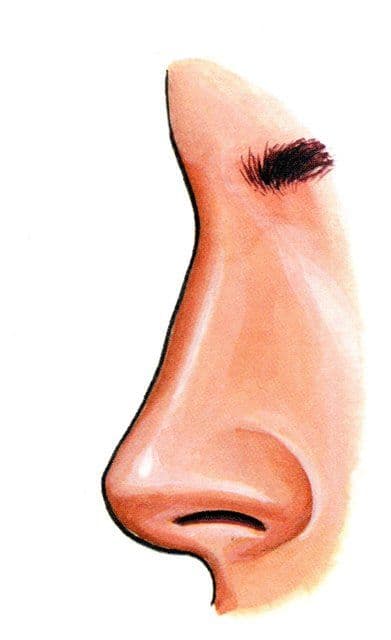
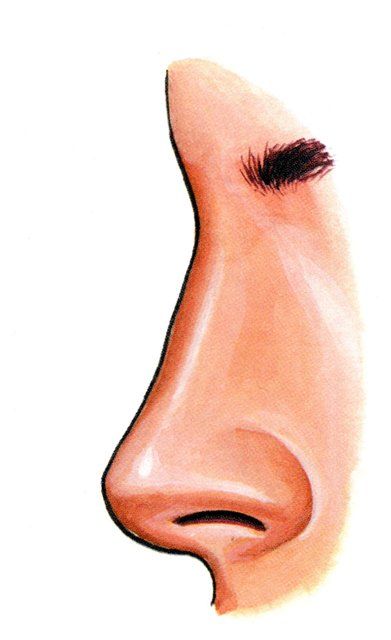
3. Profile Analysis - Lateral View
The profile provides essential information:
Nasal dorsum - presence of a hump or depressions
Tip projection - how far the nose extends from the facial plane
Tip rotation - the angle between nose and upper lip
Nasofrontal angle - transition between forehead and nose
Nasolabial angle - ideally 90–95° in men, 95–110° in women
4. Basal View Analysis
Viewing the nose from below evaluates:
Columella shape
Nostril symmetry
Alar base width
The ideal triangular shape of the nasal base
5. Functional Analysis
Aesthetics are not everything. Respiratory function is equally important:
Nasal septum evaluation - deviations
Turbinate assessment
Airflow testing through each nostril
Identification of nasal valve problems
A correct rhinoplasty improves or preserves breathing - never compromises it.
6. Nasal Skin Analysis
Skin quality significantly influences the result:
Thin skin - shows fine details but also imperfections
Thick skin - hides details, the tip is harder to define
Medium skin - the most predictable for results
The surgeon adapts the technique according to skin type.
Modern Analysis Tools
Standardised photography. Images from identical angles - frontal, profile, three-quarter and basal. Essential for planning and comparison.
Digital simulation. Specialised software allows visualisation of the possible result. Helps align patient expectations with surgical possibilities.
3D analysis. Modern technologies provide a complete three-dimensional image of the nasal structure.
The Nose-Chin Relationship
An element frequently overlooked by patients. A recessed chin makes the nose appear larger. In many cases, genioplasty combined with rhinoplasty delivers a far more balanced profile than rhinoplasty alone.
The surgeon always evaluates this relationship during the analysis.
What to Discuss With Your Surgeon
What specifically bothers you about your nose
What result you want - realistically
History of nasal trauma or previous surgery
Existing breathing problems
Your complete expectations
A good surgeon listens first. Then analyses. Then proposes.
Signs of a Professional Analysis
The surgeon examines the entire face, not just the nose
Standardised photographs are taken from multiple angles
Respiratory function is evaluated
Realistic correction limits are discussed
You receive clear explanations of the proposed technique
Conclusion
Aesthetic nasal analysis is the stage that determines the success of rhinoplasty. A complete evaluation - aesthetic and functional - allows a precise surgical plan and natural results in harmony with the rest of the face.
FAQ - Aesthetic Nasal Analysis
What does aesthetic nasal analysis include? Evaluation of the face as a whole, nasal analysis from multiple angles, respiratory function assessment and skin quality evaluation.
Why is the entire face analysed? The nose must harmonise with the rest of the face. Global proportions determine the ideal result.
What is digital simulation? Specialised software showing the possible surgical result. Helps set realistic expectations.
Is breathing also evaluated? Yes. Mandatory. A correct rhinoplasty preserves or improves respiratory function.
Why does skin type matter? Thin skin shows fine details. Thick skin hides them. The technique is adapted to skin type.
What is the nose-chin relationship? A recessed chin makes the nose appear larger. Sometimes combined genioplasty delivers superior results.
Want a tailored opinion? Schedule a discreet consultation with Dr. Mubariz Mammadli.
Related reading
Aesthetic medicine blog

Education
The Complete Guide to Plastic Surgery in Bucharest
A complete guide to plastic surgery in Bucharest, procedures, pricing, travel planning, and what to ask before booking.
Education
Non-Surgical Rhinoplasty: When Is It Enough?
Non-surgical rhinoplasty uses filler to smooth bumps and refine your profile temporarily, but it has real limits worth understanding.

Education
Body Contouring: Shaping the Silhouette You Want
A clear guide to body contouring surgery, liposuction, abdominoplasty, body lift and more, what each procedure does and how to choose the right one.