
Myths About Rhinoplasty and Post-Operative Pain
Myths about rhinoplasty and post-operative pain what patients really experience, how pain is managed, and when discomfort is actually a warning sign.
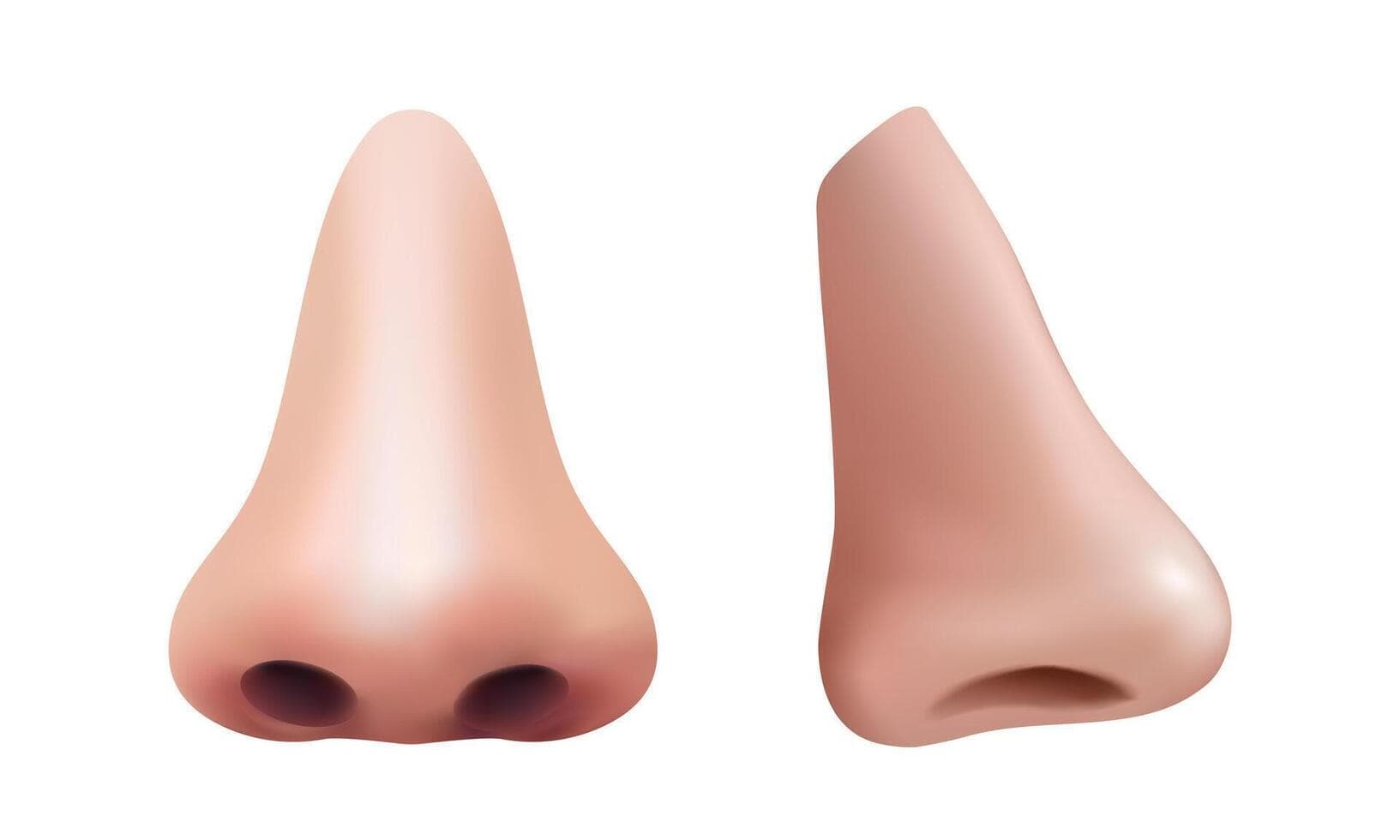
Fear of pain is one of the biggest reasons people delay rhinoplasty for years. Much of that fear comes from outdated stories, not from what patients actually experience today. This guide separates the myths from the reality.
Myth 1: Rhinoplasty Is One of the Most Painful Surgeries
Reality: it usually isn't. The nose has fewer pain receptors in bone and cartilage than skin and muscle have. Most patients describe pressure and congestion, not sharp pain. Procedures involving muscle, like abdominoplasty, are typically more uncomfortable.
Myth 2: You'll Need Strong Painkillers for Weeks
Reality: strong medication is rarely needed beyond the first 24–48 hours. Most patients switch to mild analgesics like paracetamol within 2–3 days. By the end of the first week, many stop medication entirely.
Myth 3: Removing the Splint Is Excruciating
Reality: splint removal takes seconds. Patients typically feel pressure or a strange sensation, not pain. It happens between days 7 and 10, in a routine clinic visit.
Myth 4: The Nose Hurts for Months
Reality: acute pain resolves within days. What lingers afterward is numbness or reduced sensitivity, not pain, and this is completely different. Numbness can take several months to fully resolve as nerve endings regenerate.
Myth 5: More Pain Means a More Thorough Surgery
Reality: pain level has no correlation with surgical outcome. A skilled surgeon minimises trauma to tissue, which often means less pain, not more. Pain intensity reflects technique and individual sensitivity, not how much correction was performed.
Myth 6: No Pain Means Something Went Wrong
Reality: the opposite is true. Minimal discomfort is a sign of a well-executed procedure and good tissue handling. There is no need to worry if pain is mild or absent.
What Patients Actually Report
When surveyed honestly, most rhinoplasty patients describe:
Pressure and fullness not pain
A blocked nose as the main discomfort
Mild headache in the first 24–48 hours
Surprise at how manageable recovery felt
The blocked nose, caused by swelling and the splint, is consistently rated as more bothersome than any actual pain.
How Pain Is Actually Managed
First 24 hours prescribed medication, taken on a schedule, not waiting for pain to build
Days 2–3 most patients transition to mild analgesics
Days 4–7 occasional paracetamol if needed
After day 7 most patients need nothing at all
Anaesthesia fasting before surgery is typically 6–8 hours, and pain management begins before the patient even wakes up, with medication given proactively.
When Pain IS a Warning Sign
Honesty matters here too. While typical discomfort is mild, contact your surgeon immediately if you experience:
Sudden, severe pain, especially on one side only
Pain that worsens instead of improving after day 3–4
Pain accompanied by fever above 38°C
Pain with unusual swelling or discharge
These are not typical and need prompt evaluation but they are also rare.
Why the Myths Persist
Older techniques with more aggressive bone work and less refined anaesthesia protocols were genuinely more uncomfortable decades ago. Modern rhinoplasty uses smaller instruments, precise osteotomies and proactive pain management — the experience has changed dramatically, but the old reputation hasn't caught up.
Conclusion
The fear of rhinoplasty pain is largely inherited from outdated stories, not current reality. Most patients experience pressure and congestion rather than pain, manage comfortably with mild medication after the first days, and are often surprised by how easy recovery feels. Understanding what to actually expect removes one of the biggest barriers to a decision many people have wanted to make for years.
FAQ Myths About Rhinoplasty and Pain
Is rhinoplasty really less painful than people think? Yes. Most patients describe pressure and congestion rather than sharp pain, since bone and cartilage have fewer pain receptors than skin and muscle.
Will I need opioids after surgery? Rarely beyond the first 24–48 hours. Most patients switch to mild analgesics within a few days.
Does splint removal hurt? No. It takes seconds and feels like pressure, not pain.
Why is my nose blocked if there's no pain? Swelling and the splint restrict airflow temporarily. This is the most commonly reported discomfort, not pain itself.
Does more pain mean a more extensive surgery was done? No. Pain level reflects technique and individual sensitivity, not how much correction was performed.
When should I actually worry about pain? Sudden severe pain, pain worsening after day 3–4, or pain with fever are signs to contact your surgeon immediately.
How long until numbness goes away? Numbness, different from pain, can take several months to fully resolve as nerves regenerate.

About the author
Dr. Mubariz Mammadli
Plastic surgeon
Dr. Mubariz Mammadli offers advanced plastic surgery and aesthetic treatments in Bucharest, Naples and Baku, with a refined, patient-first approach.
View full profileRelated treatment
Want a tailored opinion? Schedule a discreet consultation with Dr. Mubariz Mammadli.
Related reading
Aesthetic medicine blog
Education
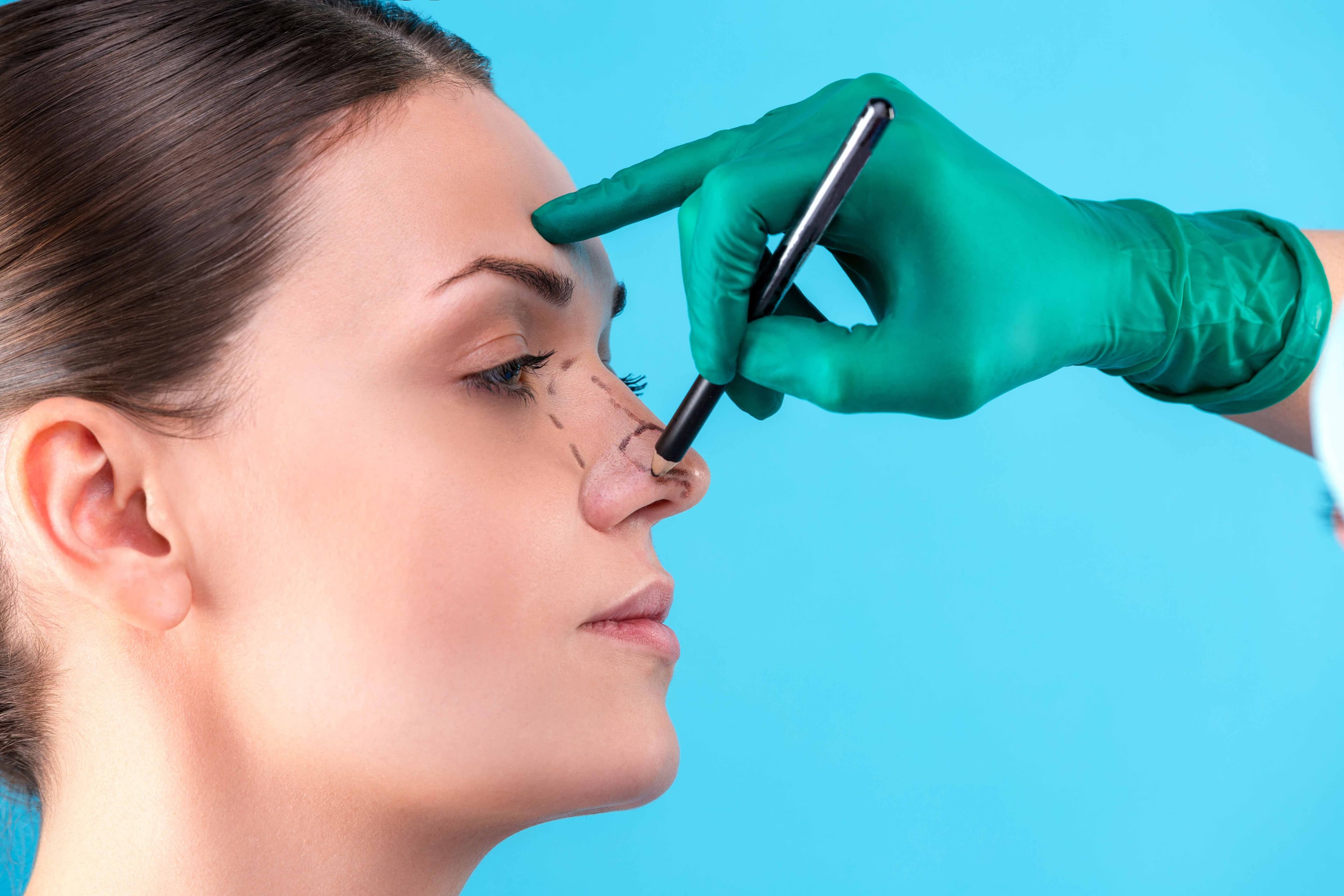
Non-Surgical Rhinoplasty: When Is It Enough?
Non-surgical rhinoplasty uses filler to smooth bumps and refine your profile temporarily, but it has real limits worth understanding.
Education
Complete Guide to Rhinoplasty Recovery
Complete guide to rhinoplasty recovery stage-by-stage timeline, essential tips, care and mistakes to avoid for optimal results.

Education
The Aesthetic Consultation: The First Step Toward Transformation
The aesthetic consultation the essential first step toward transformation. What happens, how to prepare, and how to spot a quality consultation.