
Blefaroplaty: Rejuvenating the Gaze and Eliminating Fatigue
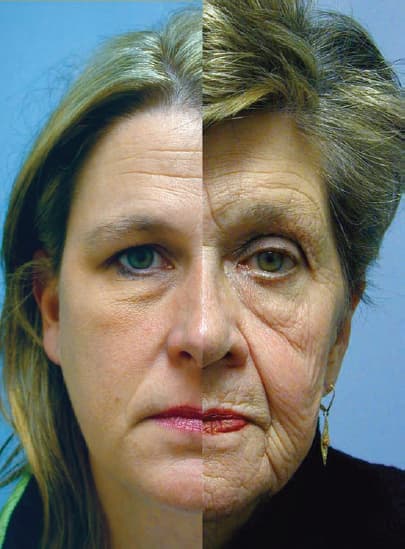
Blepharoplasty rejuvenates the gaze and eliminates the tired look at its source, upper and lower eyelid correction for a naturally rested appearance.
Blepharoplasty: Rejuvenating the Gaze and Eliminating Fatigue
Nothing ages a face faster than tired eyes. Even after a full night's sleep, heavy eyelids and under-eye bags can make someone look exhausted. Blepharoplasty addresses this at its source restoring an open, rested gaze that reflects how you actually feel, not how your eyelids have aged.
Why Do Eyes Show Fatigue First?
The eye area is where ageing shows earliest and most visibly:
The skin around the eyes is the thinnest on the body
Fat compartments shift and herniate with age
The supporting muscles weaken gradually
Sun exposure accumulates here more visibly than elsewhere
The result: heavy upper lids that narrow the eyes, and lower lid bags that cast a permanent shadow a "tired" signal the brain reads instantly, regardless of actual rest.
Upper Blepharoplasty Opening the Gaze
Excess skin on the upper lid does more than look aged. It can physically droop over the lash line, narrowing the visual field and creating a heavy, sleepy appearance.
What it corrects:
Excess, overhanging upper lid skin
Puffiness from herniated fat pads
A narrowed, "hooded" eye shape
Reduced peripheral vision, in advanced cases
The incision follows the natural eyelid crease nearly invisible once healed.
Lower Blepharoplasty Removing the Shadow
Under-eye bags create a shadow that reads as exhaustion, no matter how well-rested someone is.
What it corrects:
Fat herniation the classic "bags"
The hollow tear trough between lid and cheek
Fine crepey wrinkles
Mild skin excess
Modern technique redistributes fat rather than simply removing it filling hollows instead of creating a gaunt look.
Combined Blepharoplasty The Complete Rejuvenation
Many patients benefit most from treating both lids in one session. Ageing rarely affects only the upper or lower eyelid in isolation the whole eye area tends to age together.
Advantages of combining both:
One recovery period instead of two
Balanced, proportionate result
More natural transition across the whole eye area
Cost efficiency compared to separate procedures
Who Is the Ideal Candidate?
Heavy, hooded upper eyelids affecting appearance or vision
Persistent under-eye bags unrelated to sleep or hydration
A "tired" look that doesn't match how rested someone actually feels
Good general health and realistic expectations
Typical age: 35–65, though genetic cases can start younger
How Is the Surgery Performed?
Duration: 45 minutes (single lid) to 2 hours (all four lids)
Anaesthesia: local with sedation, or general
Setting: outpatient, same-day discharge
Incisions: hidden in natural creases or inside the lid
Results What Changes
A visibly wider, more alert eye opening
Elimination of the shadowed, hollow under-eye look
Smoother lid contour without bulges or excess skin
An appearance that finally matches how rested someone feels
Results typically last 10–15 years, often longer for the upper lid
Conclusion
Blepharoplasty doesn't change who you are it removes a false signal your eyelids have been sending for years. For many patients, it's the single procedure that makes the biggest difference in how "fresh" or "tired" they appear day to day.
FAQ Blepharoplasty
Can blepharoplasty really make me look less tired even when I am tired? Yes. It removes the structural causes of the tired look excess skin and fat independent of actual sleep or fatigue.
Do I need both upper and lower blepharoplasty? Not necessarily. Many patients only need one. A consultation determines which areas actually need correction.
Will people notice I had surgery? The goal is the opposite. Well-executed blepharoplasty looks like rest, not surgery.
At what age should I consider this? There's no fixed age. Genetic under-eye bags can appear at 25–30; upper lid excess more often after 40–45.
Does it treat dark circles? Only the shadow caused by hollowing or bags. Pigmented dark circles need separate dermatological treatment.
How long do results last? 10–15 years typically, and the upper eyelid rarely requires a repeat procedure.
Want a tailored opinion? Schedule a discreet consultation with Dr. Mubariz Mammadli.
Related reading
Aesthetic medicine blog

Education
The Complete Guide to Plastic Surgery in Bucharest
A complete guide to plastic surgery in Bucharest, procedures, pricing, travel planning, and what to ask before booking.
Education
Non-Surgical Rhinoplasty: When Is It Enough?
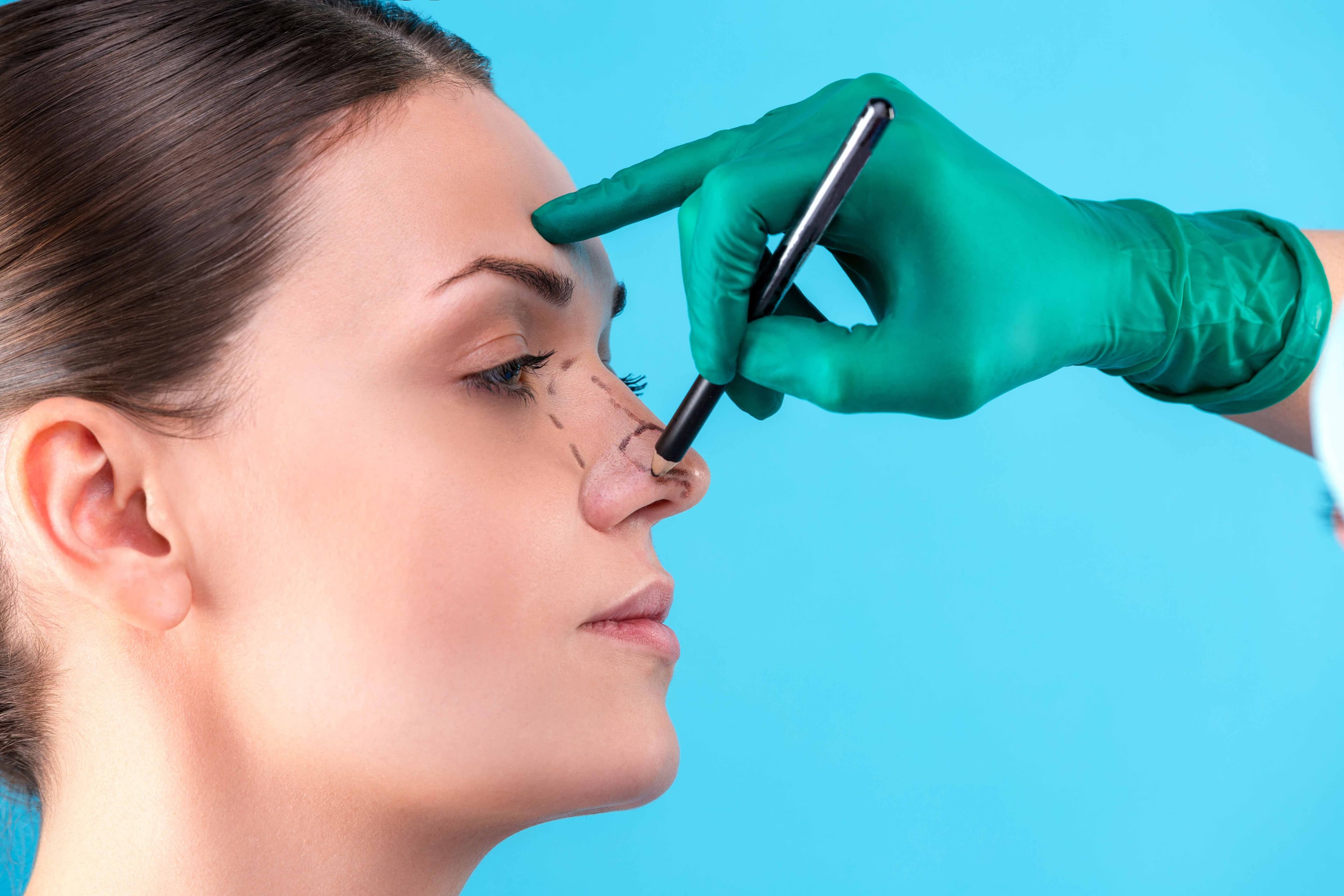
Non-surgical rhinoplasty uses filler to smooth bumps and refine your profile temporarily, but it has real limits worth understanding.
Education
Body Contouring: Shaping the Silhouette You Want
A clear guide to body contouring surgery, liposuction, abdominoplasty, body lift and more, what each procedure does and how to choose the right one.