
Lower Blepharoplasty Recovery: What to Expect
A day by day guide to lower blepharoplasty recovery, from the first swelling to final results at six to eight weeks.
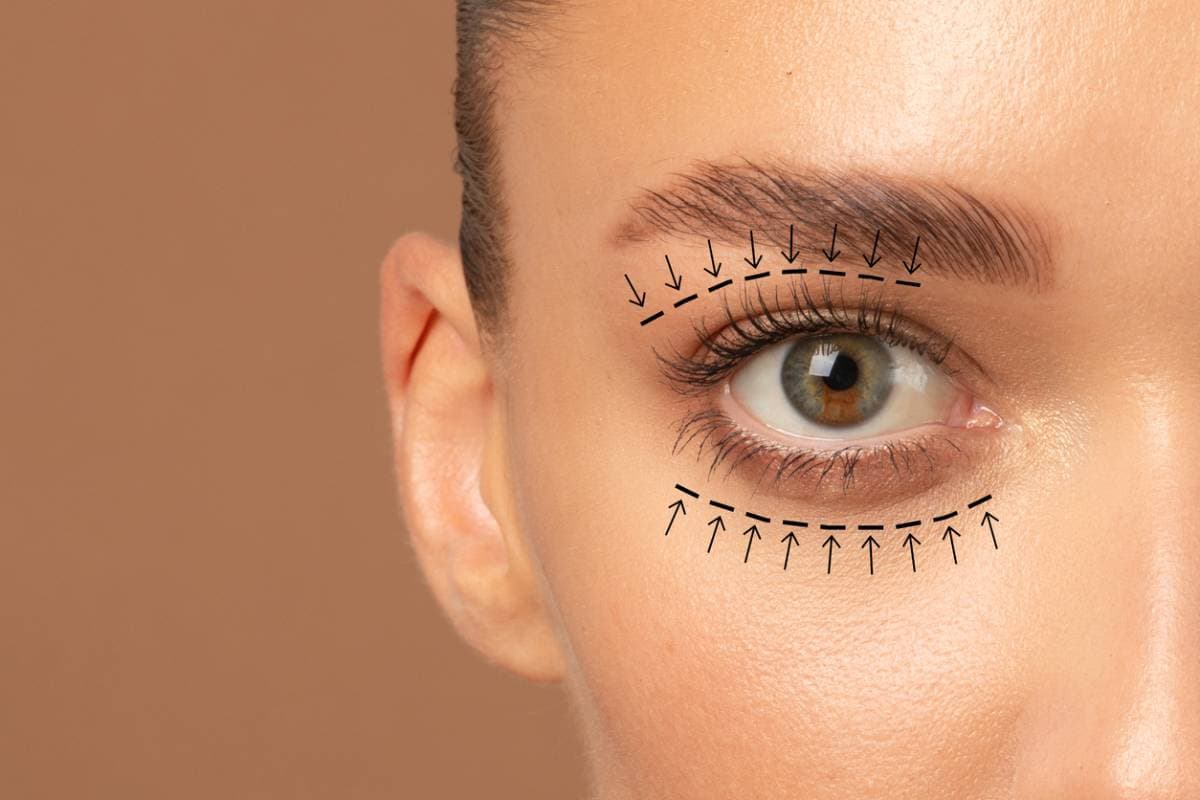
Lower Blepharoplasty Recovery: Everything You Need to Know
Most patients spend weeks researching the surgery itself and almost no time thinking about what the two weeks afterward actually look like. That tends to be backwards. Lower eyelid surgery is a relatively quick operation with a recovery that is far easier than people expect, but it does follow a rhythm, and knowing that rhythm in advance is what keeps the first few days from feeling alarming.
The First Two Days Are the Hardest Part
Swelling and bruising peak somewhere in the first forty eight hours, and this is the stretch patients find most unsettling because it looks worse before it looks better. Cold compresses applied gently around the eyes, not directly on them, make a genuine difference here. Keeping your head elevated, including while you sleep, is probably the single most effective thing you can do during this window.
Most patients describe discomfort rather than pain, often a tight or gritty sensation rather than anything sharp. Prescribed medication is usually enough, and many people stop needing it within a couple of days.
Days Three Through Seven
Bruising changes colour during this stretch, shifting from purple toward yellow and green as it fades. Swelling starts coming down noticeably. If your surgeon used the transcutaneous approach, with an incision below the lash line, sutures usually come out somewhere between day five and day seven.
The transconjunctival technique, where the incision is made inside the eyelid, often has no sutures to remove at all. This is one reason recovery from that approach tends to feel slightly quicker, though the difference is smaller than patients expect.
When You Can Face People Again
Most patients feel comfortable returning to work and normal social life somewhere around ten to fourteen days. By that point bruising has usually faded enough that light makeup covers whatever remains, assuming your surgeon has cleared you to use it, which is typically after the incisions have fully closed.
This is worth planning around honestly. If you have something important in your calendar, give yourself more margin than the minimum rather than less.
The Eye Symptoms Nobody Warns You About
Dryness is extremely common in the first weeks and catches people off guard. Artificial tears, the preservative free kind if your surgeon recommends them, handle this well. Some light sensitivity is normal too, which is why large sunglasses end up being useful for more than just hiding bruises.
Occasional blurred vision from ointment or swelling is also normal and resolves on its own. Contact lenses generally wait around two weeks, though glasses are fine straight away.
Returning to Exercise
Physical activity comes back in stages rather than all at once. Gentle walking is usually encouraged early because it supports circulation. Light exercise typically resumes around three weeks, with fuller activity at four to six weeks depending on what your surgeon advises for your specific case.
The reason for the wait is straightforward. Anything that significantly raises blood pressure in the head, including heavy lifting and bending forward repeatedly, can worsen swelling during the phase when tissue is still settling.
Scars and Sun
Fresh incisions pigment easily in sunlight, which is why sun protection matters more in the first months than most patients realise. Large sunglasses cover this in the early weeks, and SPF 50 on the incision line once it has fully healed handles the rest. Done properly, transcutaneous scars typically become very difficult to see, and transconjunctival incisions leave nothing visible externally at all.
When the Result Actually Arrives
Final results generally settle somewhere around six to eight weeks, though subtle refinement continues past that. Patients often judge their result too early, at two or three weeks, when residual swelling is still masking the actual contour. Healing timelines vary between individuals, and the same procedure can settle at slightly different speeds in different people.
Warning Signs Worth a Phone Call
Most recoveries proceed without incident, but a few things justify contacting your surgeon rather than waiting: severe pain that medication is not controlling, sudden or one sided swelling, any significant change in vision, active bleeding, or signs of infection such as spreading redness, warmth, or discharge. These situations are uncommon, but they are worth acting on quickly rather than hoping they settle.
Conclusion
Lower blepharoplasty recovery is generally straightforward and considerably gentler than most people anticipate. The first two days ask for patience, two weeks returns you to normal life, and six to eight weeks shows you what you actually paid for. Individual healing, risks, and timelines differ from patient to patient, so the specifics for your own case belong in a conversation with your surgeon.
FAQ — Lower Blepharoplasty Recovery
How long until I look normal again?
Most patients are comfortable in public around ten to fourteen days, once bruising has faded enough to cover with light makeup if needed.
When are the stitches removed?
Usually between day five and day seven with the transcutaneous approach. The transconjunctival technique often has no external sutures at all.
Why are my eyes so dry after surgery?
Temporary dryness is very common in the first weeks and responds well to artificial tears. It settles as healing progresses.
When can I wear makeup again?
Generally around ten to fourteen days, but only once your surgeon confirms the incisions have fully closed.
When can I start exercising again?
Light activity usually around three weeks, fuller exercise at four to six weeks, depending on your surgeon's guidance for your case.
How long before I can wear contact lenses?
Typically around two weeks. Glasses can be worn immediately.
Will the scars be visible?
Transconjunctival incisions leave nothing visible externally. Transcutaneous incisions sit just below the lash line and usually become very difficult to see once healed.
When do I see the final result?
Generally six to eight weeks, though subtle refinement continues beyond that. Judging the result at two or three weeks is too early.
Want a tailored opinion? Schedule a discreet consultation with Dr. Mubariz Mammadli.
Related reading
Aesthetic medicine blog

Education
The Complete Guide to Plastic Surgery in Bucharest
A complete guide to plastic surgery in Bucharest, procedures, pricing, travel planning, and what to ask before booking.
Education
Non-Surgical Rhinoplasty: When Is It Enough?
Non-surgical rhinoplasty uses filler to smooth bumps and refine your profile temporarily, but it has real limits worth understanding.

Education
Body Contouring: Shaping the Silhouette You Want
A clear guide to body contouring surgery, liposuction, abdominoplasty, body lift and more, what each procedure does and how to choose the right one.