
Botulinum Toxin Prevention and Treatment
Botulinum toxin prevention and treatment for expression wrinkles. Complete guide on Botox, natural results and when to start treatment.
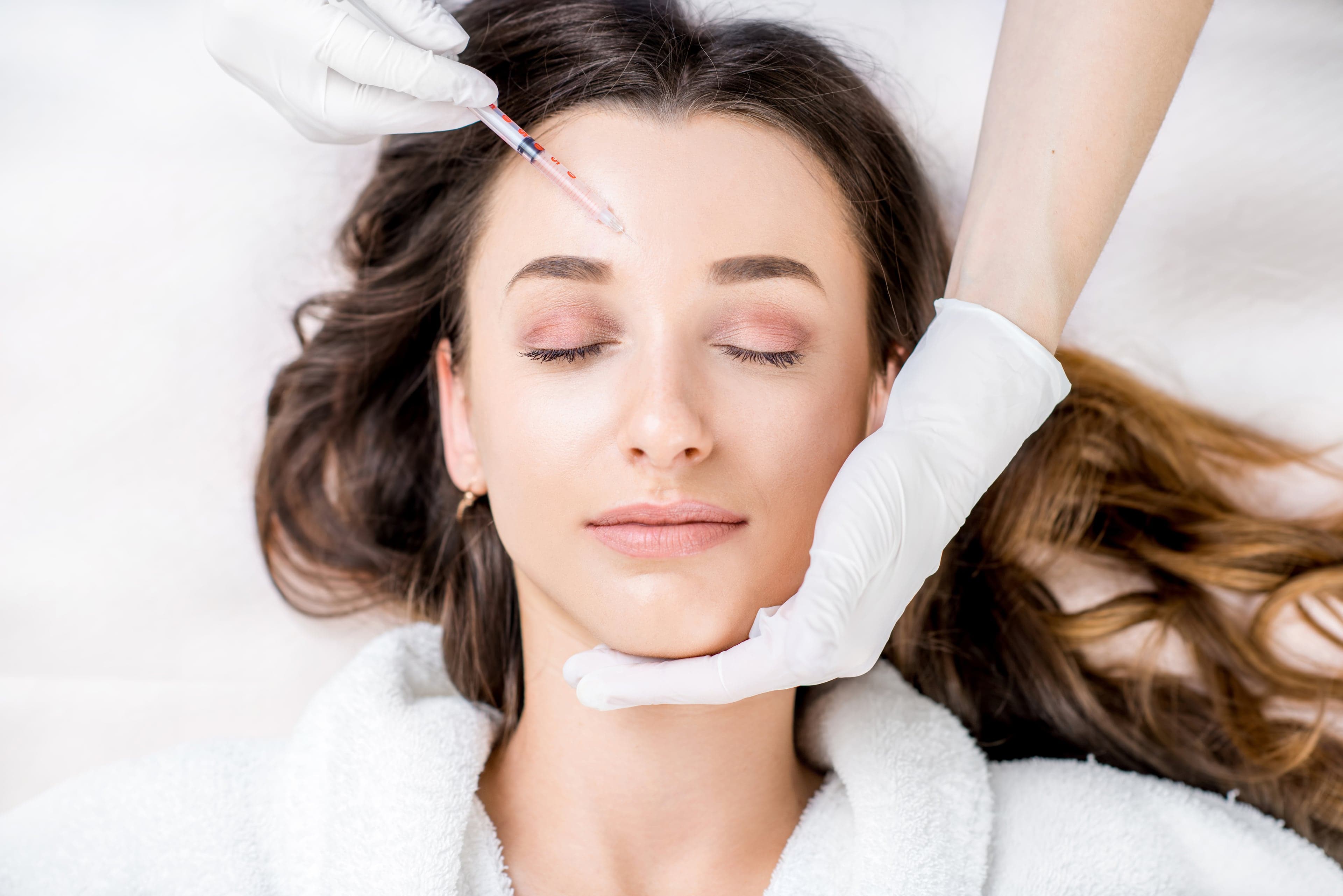
Botulinum toxin popularly known as Botox is the most used non-surgical aesthetic treatment in the world. Its role has evolved. It is no longer just a corrective treatment. It has become a prevention tool. This guide explains both approaches.
What Is Botulinum Toxin?
Botulinum toxin is a purified protein. It temporarily relaxes the muscles into which it is injected.
The mechanism is simple:
It blocks nerve signals to the muscle
The muscle relaxes
Expression wrinkles soften
The skin above smooths out
The effect is temporary lasting 4–6 months. Then the muscle resumes normal activity.
What Wrinkles Does It Treat?
Botulinum toxin treats dynamic wrinkles those caused by muscle movement:
Forehead lines - horizontal lines
Frown lines - lines between the brows
Crow's feet - wrinkles at the corner of the eyes
Bunny lines - wrinkles on the nose
Chin wrinkles - the "orange peel" appearance
Platysmal bands - vertical neck bands
It does not treat static wrinkles - those present at rest. These require other approaches.
Corrective Treatment - The Classic Approach
Corrective treatment addresses wrinkles already formed.
How it works:
Existing expression wrinkles are softened
Hyperactive muscles are relaxed
The skin smooths progressively
Results:
Visible in 3–7 days
Maximum effect at 2 weeks
Duration 4–6 months
Prevention - The New Approach
Preventive Botox is rapidly gaining popularity. The logic is simple: prevent wrinkles before they form.
How prevention works:
Repeated dynamic wrinkles become static wrinkles over time
Muscle relaxation prevents this process
The skin no longer folds repeatedly in the same place
Permanent wrinkles never get the chance to form
Typical starting age: 25–35 years. When the first fine expression lines appear.
How Does the Treatment Work?
Consultation. Analysis of facial expressions. Identification of hyperactive muscles. Personalised dosing.
Treatment. Quick injections with very fine needles. Duration: 10–15 minutes. Minimal discomfort.
After treatment. Immediate return to activities. No downtime. A few simple restrictions in the first 24 hours.
Restrictions After Treatment
In the first 24 hours:
Do not massage the treated area
Do not lie down for the first 4 hours
Avoid intense physical exercise
Avoid sauna and excessive heat
Do not consume alcohol
These restrictions prevent product migration.
Natural Results - The Key to Success
A well-performed treatment does not freeze the face. The modern goal is:
Natural expressions preserved
Functional facial movement
Wrinkles softened - not completely eliminated
Rested appearance - not artificial
The correct dose and precise placement make the difference. "Less is more" is the modern philosophy.
Botulinum Toxin and Surgery - Complementary
Botox does not replace surgery. But it complements it excellently:
Before surgery:
Prevention at younger ages
Delaying the need for intervention
After surgery:
Maintaining facelift results
Preventing deepening of expression wrinkles
Protecting the surgical investment
For significant laxity, surgery remains the only structural solution.
The Limits of Botulinum Toxin
What Botox CANNOT do:
It does not lift sagging tissues
It does not remove excess skin
It does not treat deep static wrinkles
It does not restore lost volume
It does not replace a facelift
For these problems, the solutions are surgical or volume-based injectables.
Treatment Safety
Botulinum toxin has been used medically for over 30 years. The safety profile is excellent.
Possible side effects - temporary:
Redness at injection sites
Small bruises
Mild headache
Temporary asymmetry - rare
Choosing a specialised doctor minimises risks.
Who Is the Ideal Candidate?
For prevention:
Age 25–35 years
First fine expression lines
Very active facial expressions
Family history of deep wrinkles
For treatment:
Visible expression wrinkles
Tired or severe appearance caused by wrinkles
Desire for results without surgery
Conclusion
Botulinum toxin is a valuable tool for both prevention and treatment. The modern approach favours naturalness: preserved expressions, softened wrinkles, rested appearance. For optimal results, choose a specialised doctor and a personalised plan.
FAQ - Botulinum Toxin
At what age can I start preventive treatment? Usually between 25 and 35 years. When the first fine expression lines appear.
How long does the effect last? 4–6 months. Then the treatment can be repeated.
Is the treatment painful? Minimal discomfort. The needles are very fine. Duration is only 10–15 minutes.
Will I be able to move my face normally? Yes. Modern treatment preserves natural expressions. The correct dose relaxes without freezing.
Can Botox replace a facelift? No. Botox relaxes muscles. It does not lift sagging tissues or remove excess skin.
What is the difference between Botox and fillers? Botox relaxes muscles. Fillers add volume. They treat different problems and can be combined.
Are there side effects? Rare and temporary - redness, small bruises or mild headache. Choosing a specialised doctor minimises risks.
When are results visible? First effects in 3–7 days. Maximum effect at 2 weeks.

About the author
Dr. Mubariz Mammadli
Plastic surgeon
Dr. Mubariz Mammadli offers advanced plastic surgery and aesthetic treatments in Bucharest, Naples and Baku, with a refined, patient-first approach.
View full profileRelated treatment
Want a tailored opinion? Schedule a discreet consultation with Dr. Mubariz Mammadli.
Related reading
Aesthetic medicine blog

Education
Facial Rejuvenation Without Surgery Modern Options
Facial rejuvenation without surgery modern options: Botox, fillers, biostimulators, laser and HIFU. What they can achieve and where their limits lie.

Education
Non-Invasive Treatments for Maintaining Your Facelift
Non-invasive treatments for maintaining your facelift PRP, skinboosters, Botox and laser. Complete plan for lasting results after facelift surgery.
Education
Surgery vs. Minimally Invasive: Which Is Better?
Surgery or minimally invasive procedures — which is better? Discover the differences, benefits and when to choose each treatment for natural, long-lasting results.