
Endoscopic Lift vs Classic Lifting Techniques
Endoscopic lift vs classic lifting techniques complete comparison: incisions, scars, recovery and precision. How to choose the right technique.
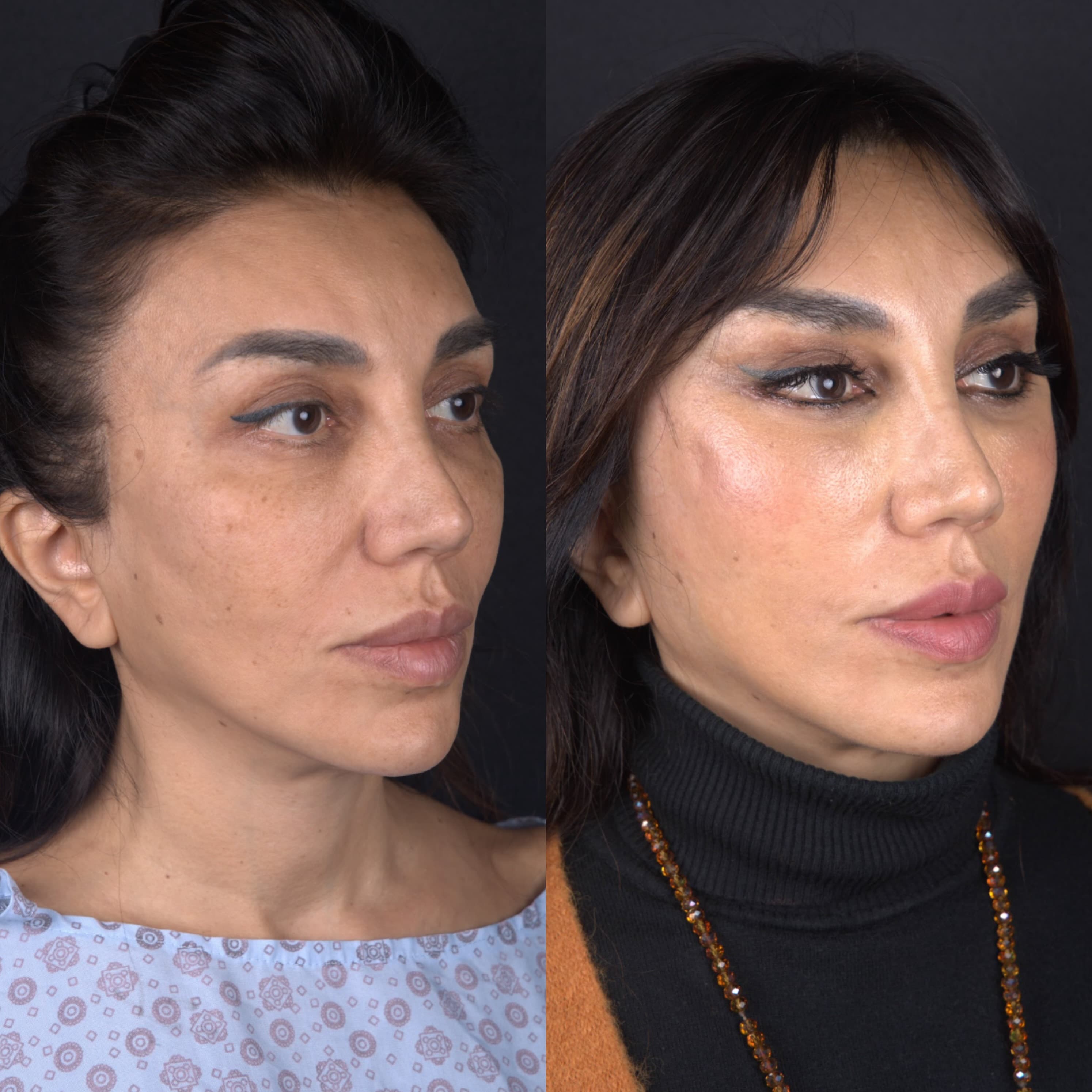
Endoscopic Lift vs Classic Lifting Techniques
Facial rejuvenation surgery has evolved enormously. Modern endoscopic techniques compete with classic methods used for decades. What is the real difference? What advantages does each offer? This guide objectively compares the two approaches.
What Are Classic Techniques?
Classic lifting techniques use open incisions:
Coronal lift an ear-to-ear incision over the top of the head
Open temporal lift larger incisions in the temple area
Classic skin lift extended incisions around the ears
Direct excision removing skin above the eyebrows
These methods worked for decades. But at a price: long incisions, extended scars, harder recovery.
What Is the Endoscopic Technique?
The endoscopic technique uses a miniature camera and fine instruments:
Small incisions 3–5 cuts of approximately 1 cm
The camera transmits images to a monitor
The surgeon works precisely under direct visual control
Tissues are released and repositioned not extensively cut
The result: the same structural correction, with minimal trauma.
Direct Comparison
Incisions. The endoscopic technique uses 3–5 small incisions of about 1 cm. Classic techniques require incisions of 10–30 cm.
Scars. Endoscopic scars are hidden in the hair and invisible. Classic scars are extended and potentially visible.
Tissue trauma. The endoscopic technique causes minimal trauma. Classic techniques cause significant trauma.
Bleeding. Bleeding is reduced with the endoscopic technique. It is greater with classic techniques.
Swelling. Endoscopic swelling is moderate. Classic swelling is pronounced.
Recovery. Endoscopic recovery takes 7–10 days. Classic recovery takes 2–3 weeks.
Numbness risk. The risk is reduced with the endoscopic technique. It is higher with classic techniques.
Scar alopecia. Rare with the endoscopic technique. Possible with classic techniques.
Precision. The endoscopic technique offers magnified visualisation. Classic techniques offer a limited direct view.
Durability. Both techniques offer comparable durability.
Advantages of the Endoscopic Technique
1. Invisible scars. The small incisions are completely hidden in the hair. No one will know.
2. Fast recovery. Minimal trauma means reduced swelling. You return to work in 7–10 days.
3. Superior precision. The camera magnifies the image. The surgeon sees structures in detail nerves, vessels, ligaments.
4. Reduced complication risk. Less blind dissection. Less bleeding. Less postoperative numbness.
5. Natural results. Precise tissue repositioning no excessive tension, no pulled look.
When Do Classic Techniques Remain Valid?
Honesty: classic techniques still have indications:
A very high forehead a hairline incision lift can shorten it
Extreme skin laxity large skin excess requires direct excision
Certain revisions complex previously operated cases
Very heavy brows in men with baldness direct excision can be practical
An experienced surgeon chooses the technique that fits the case not the same method for everyone.
Endoscopy in Facial Surgery Where It Applies
The modern endoscopic technique covers:
Brow lift lifting the forehead and eyebrows
Midface lift lifting the cheeks
Endoscopic facelift facial correction with minimal incisions
Temporal lift lifting the lateral area
Specialisation in endoscopic surgery requires years of dedicated training. Not every surgeon has mastered it.
Recovery The Practical Difference
Endoscopic:
Moderate swelling 5–7 days
Sutures removed days 7–10
Work after 7–10 days
Sport after 4–6 weeks
Classic:
Pronounced swelling 10–14 days
Sutures removed days 10–14
Work after 2–3 weeks
Sport after 6–8 weeks
Long-Term Results
Both approaches deliver lasting results years of a rejuvenated appearance.
The essential difference is not durability. It is the quality of the experience:
Less postoperative discomfort
No visible scars
Fast return to life
Natural appearance guaranteed by precision
Modern technology has made surgery gentler without compromising results.
Conclusion
The endoscopic technique represents the natural evolution of facial lifting surgery: minimal incisions, maximum precision, fast recovery and invisible scars. Classic techniques remain valid for specific indications. The right choice comes from a consultation with a surgeon specialised in both approaches.
FAQ Endoscopic Lift vs Classic Techniques
Which technique delivers longer-lasting results? Durability is comparable. The difference is in recovery, scars and precision where endoscopy wins.
Are endoscopic scars truly invisible? Yes. The 1 cm incisions are completely hidden in the hair. After healing, they are practically impossible to notice.
Why do classic techniques still exist? For specific indications: a very high forehead, extreme laxity, certain revisions.
Is endoscopic recovery easier? Yes significantly. Minimal trauma, reduced swelling, return to work in 7–10 days.
Is the endoscopic technique more expensive? It can be comparable or slightly more costly it requires specialised equipment and advanced expertise. But the benefits justify the difference.
Can any surgeon operate endoscopically? No. Endoscopic surgery requires dedicated specialisation and considerable experience.
How do I choose between the two? Through a consultation with a surgeon who has mastered both techniques. Your anatomy dictates the recommendation.
Want a tailored opinion? Schedule a discreet consultation with Dr. Mubariz Mammadli.
Related reading
Aesthetic medicine blog

Education
The Complete Guide to Plastic Surgery in Bucharest
A complete guide to plastic surgery in Bucharest, procedures, pricing, travel planning, and what to ask before booking.
Education
Non-Surgical Rhinoplasty: When Is It Enough?
Non-surgical rhinoplasty uses filler to smooth bumps and refine your profile temporarily, but it has real limits worth understanding.

Education
Body Contouring: Shaping the Silhouette You Want
A clear guide to body contouring surgery, liposuction, abdominoplasty, body lift and more, what each procedure does and how to choose the right one.