
Non-Surgical Rhinoplasty: When Is It Enough?
Non-surgical rhinoplasty uses filler to smooth bumps and refine your profile temporarily, but it has real limits worth understanding.
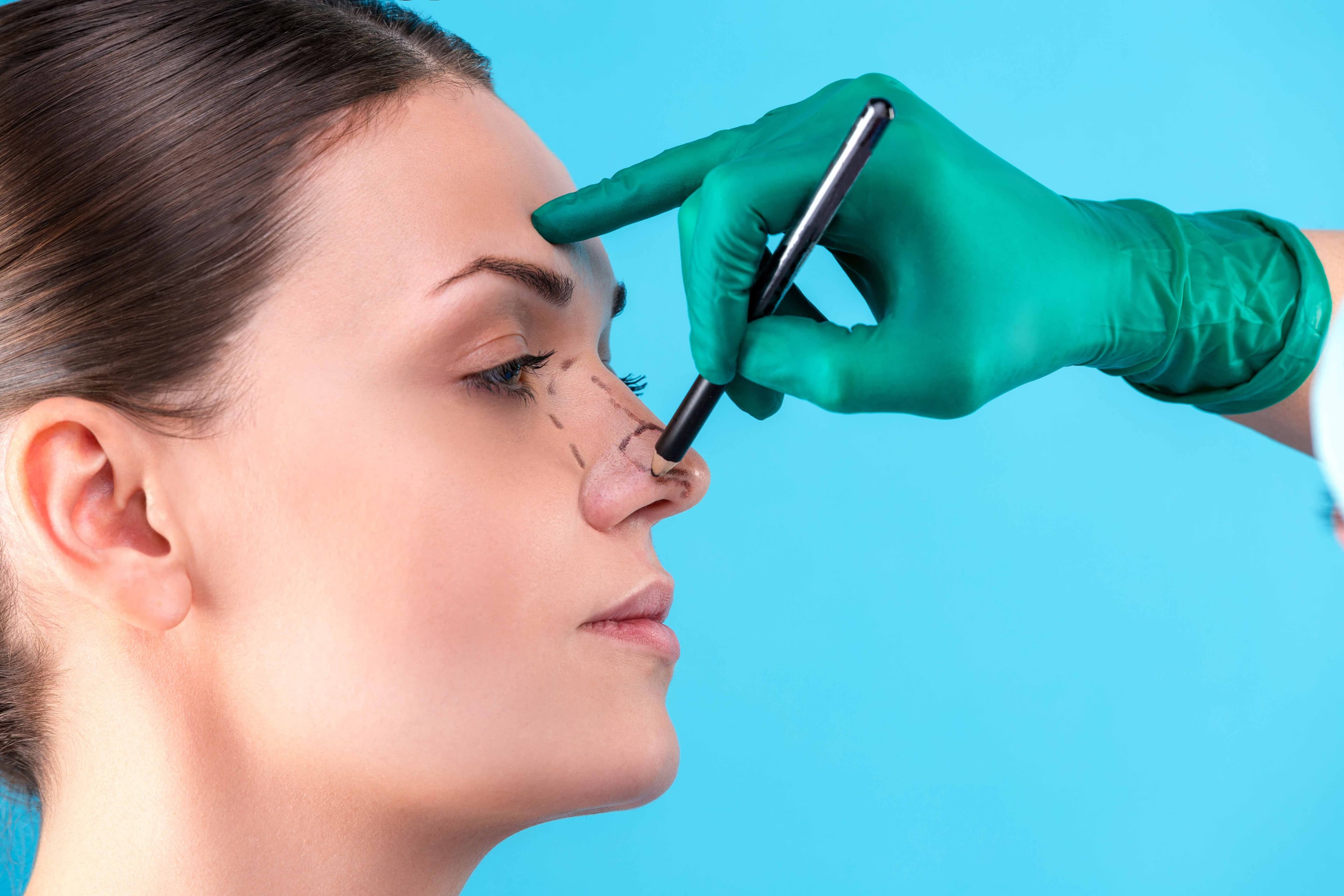
Not everyone who's unhappy with their nose wants, or needs, to go into an operating room. Non-surgical rhinoplasty, sometimes called a "liquid nose job," uses dermal filler to smooth and refine the nose without any incisions at all. It's a genuinely useful option for the right person, but it's also frequently misunderstood, so it's worth being clear about exactly what it can and can't do before deciding if it's enough for you.
What Non-Surgical Rhinoplasty Can Actually Fix
Filler works well for camouflaging small irregularities rather than restructuring the nose. A dorsal hump can often be visually softened by filling the area just above and below it, creating a straighter profile line without removing any bone or cartilage. Mild asymmetries, a slightly deviated tip, or a nose that looks a little uneven from certain angles, can also often be balanced out this way.
It can also improve tip projection in some cases, making the nose look more refined from the side. Because the filler is placed with precision and the results are visible immediately, many patients find it genuinely satisfying for the kind of subtle refinement they were hoping for. That said, the changes are additive only, filler adds volume, it never removes it.
What It Cannot Do
This is really the most important part to understand honestly. Because filler only adds volume, it cannot make a nose smaller, narrower, or thinner, if anything, it makes the treated area slightly larger, even if the overall shape looks more balanced. It also cannot correct breathing problems or structural issues inside the nose, since those require actual surgical correction of the internal anatomy.
For larger dorsal humps, a nose that's simply too big for the face, or significant asymmetry, non-surgical treatment tends to fall short of what patients are hoping for. It's a tool for refinement, not reduction, and an honest consultation should make that distinction clear from the very first conversation.
How the Treatment Actually Works
The procedure itself is quick, usually done in the office in about fifteen to thirty minutes. A numbing cream or local anesthetic is applied first, then filler is injected at specific points along the nose using a fine needle or a blunt cannula. Most patients see the final shape immediately, since there's very little swelling compared to surgery.
How Long the Results Last
Results are genuinely temporary, which is part of what makes this option appealing to some people and unappealing to others. Depending on the type of filler used and how quickly your body metabolizes it, results typically last somewhere between twelve and eighteen months, though this varies from person to person. Maintaining the look means returning for repeat treatments, which is worth factoring into the decision from a cost and commitment standpoint.
Who Tends to Be a Good Candidate
This approach usually suits people with mild concerns, a small bump, slight asymmetry, or a tip that could use subtle refinement, rather than a nose they feel is fundamentally the wrong size or shape. It's also a reasonable option for people who want to preview what a change might look like before committing to permanent surgery. Good skin quality and realistic expectations about the temporary, additive nature of the treatment matter more here than almost anything else.
When Surgery Is Actually the Better Choice
If you're hoping to make your nose smaller, correct breathing difficulties, or fix a significant structural issue, surgical rhinoplasty is genuinely the only option that can deliver that. It's also usually the better long term choice for anyone who's certain about wanting a permanent change and doesn't want to keep returning for maintenance treatments. A good surgeon will tell you honestly when filler simply isn't going to get you where you want to be.
Safety Considerations Worth Knowing
The nose has a particularly dense network of blood vessels connected to the area around the eyes, which makes filler injection here more delicate than in many other facial areas. In rare cases, filler can inadvertently block a blood vessel, leading to serious complications including tissue damage or, very rarely, vision problems. This risk is genuinely rare when the procedure is performed by an experienced, properly trained injector, but it's exactly why choosing the right provider matters more for nose filler than for almost any other injectable treatment.
Conclusion
Non-surgical rhinoplasty is a real, useful option, but only for the right kind of concern. It excels at smoothing small irregularities and refining a profile, and falls short when someone actually needs their nose to be smaller or structurally different. As with any treatment, individual results, duration, and suitability vary, so an honest, in person consultation is really the only way to know whether it's enough for your particular nose or whether surgery is the more sensible path.
FAQ - Non-Surgical Rhinoplasty
Can filler actually make my nose smaller? No, filler only adds volume, so it can never reduce the size of your nose. If size reduction is your main goal, surgical rhinoplasty is the only real option.
How long does the treatment take? The procedure itself usually takes about fifteen to thirty minutes, with results visible right away and very little downtime afterward.
Does it hurt? Discomfort is generally mild. A numbing cream or local anesthetic is used beforehand, and most patients describe pressure rather than sharp pain.
Is non-surgical rhinoplasty safe? It's generally safe when performed by an experienced injector, though the nose does carry a higher, though still rare, risk of vascular complications than most other filler areas.
How long do results last? Typically somewhere between twelve and eighteen months, depending on the filler used and your own body, though this varies from person to person.
Can it fix my dorsal hump completely? It can often visually soften a hump by filling around it rather than removing it, though very large humps may still be more visible than a patient would like.
What's the real difference between this and surgical rhinoplasty? Filler adds volume temporarily without touching bone or cartilage, while surgery can reduce, reshape, and permanently restructure the nose, including fixing breathing issues.
Am I a good candidate? If your concerns are mild, a small bump or slight asymmetry, you're likely a good candidate. For anything involving size reduction or breathing problems, a consultation will usually point you toward surgery instead.

About the author
Dr. Mubariz Mammadli
Plastic surgeon
Dr. Mubariz Mammadli offers advanced plastic surgery and aesthetic treatments in Bucharest, Naples and Baku, with a refined, patient-first approach.
View full profileRelated treatment
Want a tailored opinion? Schedule a discreet consultation with Dr. Mubariz Mammadli.
Related reading
Aesthetic medicine blog
Education
Myths About Rhinoplasty and Post-Operative Pain
Myths about rhinoplasty and post-operative pain what patients really experience, how pain is managed, and when discomfort is actually a warning sign.
Education
Complete Guide to Rhinoplasty Recovery
Complete guide to rhinoplasty recovery stage-by-stage timeline, essential tips, care and mistakes to avoid for optimal results.
Education
Aesthetic Nasal Analysis Before Surgery
Aesthetic nasal analysis before rhinoplasty stages, modern tools and evaluation criteria for natural and harmonious results.