
Endoscopic Dual-Plane Facelift: How the Two Planes Work
Endoscopic dual-plane facelift: the midface lifted beneath the periosteum through the temple, the lower face beneath the SMAS. Who it suits and the risks.
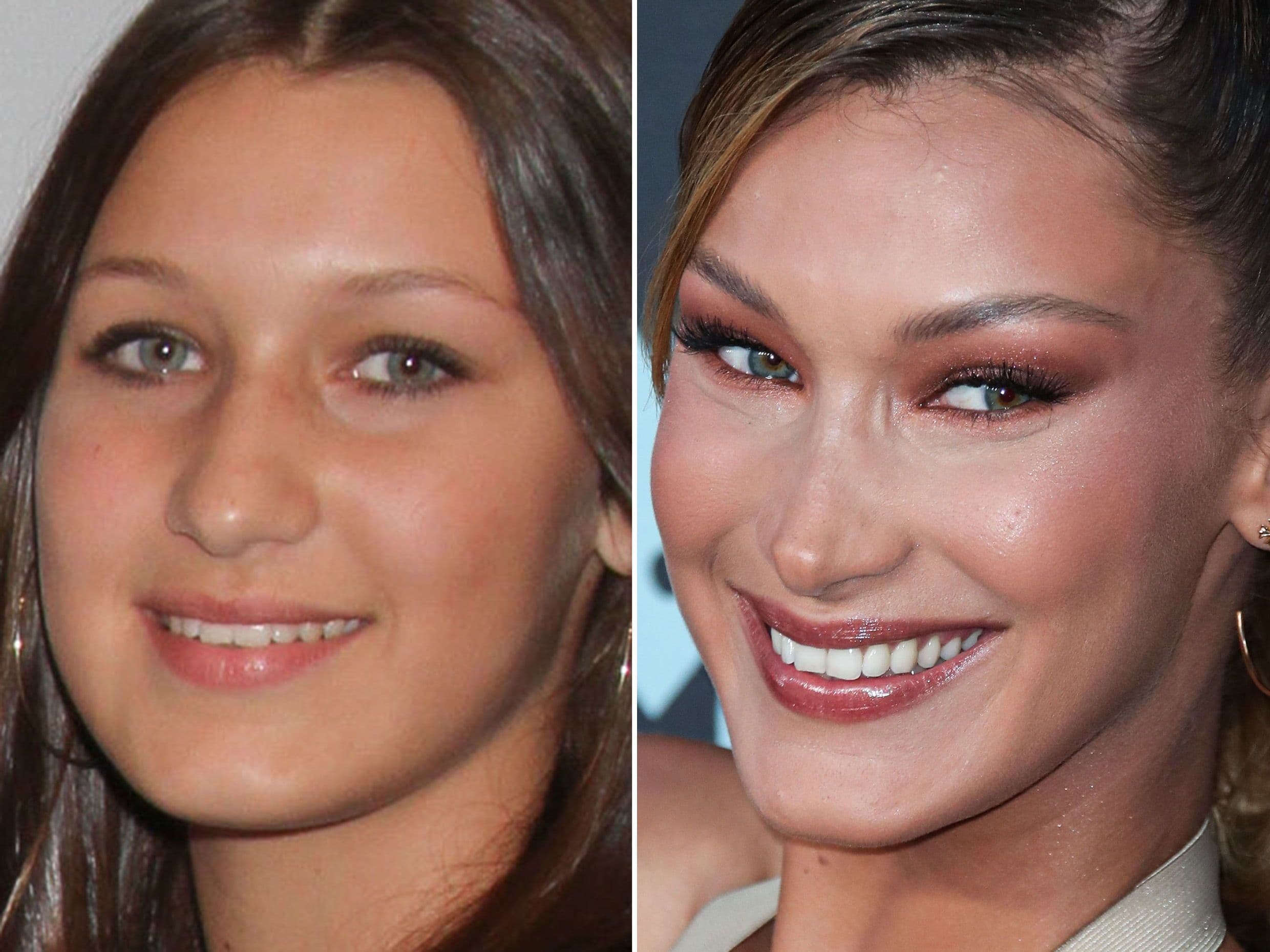
Endoscopic Dual-Plane Facelift: The Next Evolution in Natural Facial Rejuvenation
The endoscopic dual-plane facelift is built on a simple observation: the face does not age as a single block. The cheeks tend to descend vertically, while the jawline and neck lose definition in a different way. Treating both regions with one manoeuvre, in one layer, is a compromise. This technique treats each region in the layer that suits it, and that is where the name dual plane comes from.
The endoscopic dual-plane facelift is Dr. Mubariz Mammadli's signature technique. This article explains what the two planes are, why they are combined, who the approach may suit and what recovery usually involves. It also sets out the risks honestly, because a good decision depends on the full picture.
What dual plane means in this technique
A facelift can be performed in several layers of the face. Some techniques work just under the skin. Others work beneath the SMAS. This is the firm layer of tissue that lies under the skin and fat and connects to the muscles of facial expression. Others work deeper still, directly on the bone, beneath its thin covering called the periosteum.
In the endoscopic dual-plane facelift, two of these layers are used in the same operation. The midface is lifted in the subperiosteal plane, through small incisions in the temple. The lower face is lifted in the sub-SMAS plane. Each plane is chosen for the region where it works best, rather than one plane being stretched to cover the whole face.
Why the midface and the lower face age differently
In the midface, ageing shows mainly as descent. The soft tissue of the cheek slides downward and the area under the eye lengthens. The fold running from the nose to the corner of the mouth deepens. The tissues have moved down, so the logical correction is to move them back up.
In the lower face, the picture is different. Jowls form along the jawline, the angle between the jaw and neck softens, and bands may appear in the neck. Here the tissues need to be lifted and redraped along the jaw and into the neck. That correction works through the SMAS and the platysma, the thin muscle of the neck.
The midface: an endoscopic subperiosteal lift through the temple
The first part of the operation addresses the cheeks. It is performed endoscopically, which means the surgeon works through small incisions using a thin camera that shows the deeper structures on a screen. The incisions for this part are placed in the temple, within the hair.
Why the subperiosteal plane
Working beneath the periosteum allows the soft tissues of the cheek to be released from the bone and lifted as one unit. The skin, fat and muscle keep their natural relationship with each other, because they are moved together rather than separated. The cheek can then be repositioned vertically, which matches the direction in which it descended.
This principle has a long history in the surgical literature. Oscar Ramirez described an endoscopic subperiosteal approach to the midface in Plastic and Reconstructive Surgery in 2002. In it, the tissues are released beneath the periosteum of the cheekbone and upper jaw and then repositioned.
Why through the temple
Approaching the midface from the temple keeps the incisions hidden in the hair and away from the face itself. It also gives a natural vertical direction of lift. In the temple, the dissection is carried out on the deep temporal fascia, beneath the layer that carries the frontal branch of the facial nerve. That branch moves the eyebrow, and the plane is chosen to keep it out of the surgical field.
More on how the midface is treated at the clinic is on the endoscopic midface lift page.
The lower face: a sub-SMAS lift for the jawline and neck
The second part of the operation addresses the jowls, the jawline and the neck. Here the surgeon works beneath the SMAS. This layer was described by Mitz and Peyronie in Plastic and Reconstructive Surgery in 1976. They noted that it could be useful in facelift surgery.
When the SMAS is lifted together with the platysma, the jawline can be redefined and the neck tightened from beneath. The skin is then redraped over the new contour rather than being used to hold it. American Society of Plastic Surgeons training material describes the aim of SMAS tightening in the same terms. It reshapes the deeper structures and reduces tension on the skin closure.
The lower face is reached through incisions around the ear, as in other SMAS-based facelifts. Their exact length depends on how much skin needs to be redraped. Background on deep-plane work in the lower face is on the endoscopic deep plane facelift page.
Why combine the two planes
Each plane has limits when used alone. Endoscopic midface lifts on their own are generally suited to faces without large jowls or loose neck skin. A 2016 paper on the temporal endoscopic midface lift in Plastic and Aesthetic Research states this directly. It notes that older patients with significant skin excess of the jaw and neck are better suited to lower facelift surgery.
The reverse is also true. Lower face techniques reach the cheek less well. A 2002 Korean paper on midface lifting framed it plainly: the standard SMAS facelift and the deep plane facelift do not adequately correct an ageing midface.
The endoscopic dual-plane facelift answers both limitations in one operation. The midface is lifted vertically from the temple, in the subperiosteal plane. The lower face and neck are lifted in the sub-SMAS plane. The two regions are planned together, so the cheek, jawline and neck are corrected in proportion to each other.
Who the endoscopic dual-plane facelift may suit
The approach is designed for people whose ageing involves both regions. Typically that means a descended cheek and a deepened fold beside the nose, together with jowls, a softened jawline or early neck laxity. When both are present, correcting only one region can make the other look more noticeable.
Not everyone needs both planes. A younger patient with mainly midface descent and little neck laxity may be better served by a midface lift alone. Someone whose concern is mainly the neck and jawline may need only the lower part. The examination decides which regions need treatment, and the plan follows from that.
General health matters as much as anatomy. Good candidates are in stable general health, have realistic expectations and understand that surgery repositions tissues but does not stop ageing. Smoking is discussed in detail at the consultation, because nicotine reduces blood flow to the skin and affects healing.
What the operation involves
Planning starts at the consultation. The surgeon examines the face at rest and in movement, assesses skin quality and checks how the cheek, jawline and neck have changed. Photographs and the patient's own priorities help decide how much each region needs.
Bring a complete list of medicines and supplements to the consultation. Some medicines affect bleeding or anaesthesia and may need to be paused or adjusted around surgery. That decision belongs to the surgeon and anaesthetist, together with the doctor who prescribed the medicine. Do not stop or change a prescribed medicine on your own.
The operation itself combines the two parts described above in one session. A step-by-step description of how an endoscopic facelift is performed is available in this article on the procedure.
Risks to discuss before surgery
An endoscopic dual-plane facelift is a substantial operation. The American Society of Plastic Surgeons lists the risks of facelift surgery. They include bleeding, infection, fluid accumulation, prolonged swelling, numbness and poor wound healing. The list also includes facial nerve injury with weakness, hair loss at the incisions, unfavourable scarring and asymmetry.
Some of these deserve particular attention. A collection of blood under the skin is called a haematoma. American Society of Plastic Surgeons training material describes it as the most common complication of facelift surgery. It usually needs prompt treatment. The same material notes that temporary weakness of facial nerve branches after a facelift is relatively common, while actual division of a nerve branch is rare.
Lifting the midface vertically can also change the shape of the outer corner of the eye for a short time while the tissues settle. The 2016 paper on the temporal endoscopic midface lift describes this effect and notes that it resolves. Listing these risks is not meant to discourage anyone. It is meant to make the decision an informed one.
Recovery: what to expect
Recovery depends on the extent of surgery and on the surgeon's protocol, so what follows is the general pattern rather than a fixed timetable. Swelling and bruising are expected in the first days. Because the midface is lifted through the temple, swelling often shows around the eyes and cheeks as well as along the jaw.
Numbness of the cheeks and around the ears is common in the early weeks and usually improves gradually. A feeling of tightness in the temples and along the jawline is also common while the deeper layers settle. Swelling goes down over weeks, but the final result takes months to appear fully.
A detailed recovery timeline for endoscopic facelift surgery is set out in this article on recovery. Your own plan for follow-up visits and return to work is agreed at the consultation.
How natural the result looks and how long it lasts
The aim of the endoscopic dual-plane facelift is a face that looks rested and like itself, not tightened. Moving the deeper layers, rather than pulling the skin, is the main reasoning behind this approach. The cheek returns upward, the jawline is redefined and the skin lies over the new contour without strain. Results still vary between patients, and no technique can guarantee a particular outcome.
The repositioned tissues stay in their new position, but ageing continues from that point. Skin quality, sun exposure, weight changes and smoking all influence how the face looks in the years after surgery. More on what makes a facelift look natural is in this article on natural results.
Frequently asked questions
What does dual plane mean in a facelift?
It means two different tissue layers are used in the same operation. In the endoscopic dual-plane facelift, the midface is lifted beneath the periosteum, through small incisions in the temple. The lower face and neck are lifted beneath the SMAS. Each region is treated in the plane that suits the way it has aged.
Is the endoscopic dual-plane facelift the same as a deep plane facelift?
Not exactly. A deep plane facelift works mainly beneath the SMAS and extends that release into the cheek. The endoscopic dual-plane facelift treats the cheek separately, in the subperiosteal plane through the temple, and uses the sub-SMAS plane for the lower face and neck.
Where are the scars?
The midface part is performed through small incisions in the temple, hidden in the hair. The lower face part uses incisions around the ear, as in other SMAS-based facelifts. Their length depends on how much skin needs to be redraped, which is assessed at the consultation.
Does it treat the neck?
Yes, the lower face part of the operation addresses the jawline and the neck, because the SMAS continues into the platysma muscle of the neck. How much neck correction is needed is decided at the examination.
Am I too young for this operation?
Age alone does not decide it. Some younger patients have mainly midface descent and may need only a midface lift. The dual-plane approach is considered when both the midface and the lower face have changed.
How long does recovery take?
Swelling and bruising are expected in the first weeks, and the final result takes months to settle. The exact timeline depends on the extent of surgery and the individual patient. Results, recovery and risks vary between patients.
Arranging a consultation
The first step is an examination that looks at the midface, the jawline and the neck separately. It shows whether you need one plane, the other, or the full endoscopic dual-plane facelift. Dr. Mubariz Mammadli is a plastic, aesthetic and reconstructive surgeon.
Details of the technique are on the dual-plane facelift page [VERIFY URL: endoface.eu endoscopic dual-plane facelift page]. The related endoscopic full face lift is described on its own page. An appointment can be arranged through the contact page.
This article is general information and does not replace an individual medical assessment. Suitability, results, recovery and risks vary between patients. Any decision about surgery should follow a consultation with a qualified surgeon. It should also follow a full discussion of the alternatives, including the option of not having surgery.
About the author
Dr. Mubariz Mammadli
Plastic surgeon
Dr. Mubariz Mammadli offers advanced plastic surgery and aesthetic treatments in Bucharest, Naples and Baku, with a refined, patient-first approach.
View full profileRelated treatments
Want a tailored opinion? Schedule a discreet consultation with Dr. Mubariz Mammadli.
Related reading
Aesthetic medicine blog

Education
8 Facial Rejuvenation Methods: Which Is Most Effective?
Facial rejuvenation methods compared: what each of the 8 actually fixes, how long it lasts, and why the most effective one depends on your face.

Education
Facelift in Bucharest: Price, Procedure and Recovery
Considering a facelift in Bucharest? Learn what affects the price, how the surgery is performed, what recovery looks like and how to choose your surgeon.

Education
The Complete Guide to Plastic Surgery in Bucharest
A complete guide to plastic surgery in Bucharest, procedures, pricing, travel planning, and what to ask before booking.