
Facelift in Bucharest: Price, Procedure and Recovery
Considering a facelift in Bucharest? Learn what affects the price, how the surgery is performed, what recovery looks like and how to choose your surgeon.

Facelift in Bucharest: Price, Procedure and Recovery
A facelift lifts and repositions facial and neck tissue that has descended with age, then removes the excess skin, so that you look rested rather than altered. In Bucharest, the price depends on the technique, the areas treated and what the surgical package includes, which is why an exact figure is confirmed only after a consultation. The operation takes a few hours, most patients feel comfortable being seen socially after two to three weeks, and the final result settles over several months.
This guide covers what matters before you decide: who tends to benefit, what drives the cost, how the surgery works, what recovery really looks like and how to plan the trip if you are travelling to Romania for facial rejuvenation.
What is a facelift?
A facelift, known medically as a rhytidectomy, treats the structural signs of ageing in the lower two thirds of the face and, often, the neck. Over the years the soft tissue of the cheeks slides downward, the ligaments that hold it in place loosen and the skin loses elasticity. The visible result is flatter cheeks, deeper folds between the nose and mouth, jowls that soften the jawline and a less defined neck.
Modern facelift surgery is not skin tightening. The surgeon works first on the deeper supporting layer, the superficial musculoaponeurotic system or SMAS, and only then redrapes the skin without excess tension. That distinction largely explains why a well-performed facelift looks natural, while techniques that rely on pulling the skin can produce the swept, tight appearance most patients are trying to avoid.
Who may benefit from a facelift?
Good candidates usually have moderate to advanced laxity in the cheeks, jawline and neck that fillers or energy-based treatments can no longer correct convincingly. Many are somewhere between their mid-forties and their seventies, though anatomy and tissue quality matter more than age. Good general health, a stable weight, well-controlled blood pressure and a willingness to stop smoking around the time of surgery complete the picture.
Expectations matter just as much. A facelift can make your face look fresher and more balanced, but it does not stop ageing, and it will not make you look like someone else. If your main concern is skin texture, pigmentation or fine lines, other treatments may serve you better or complement the operation.
Why patients consider Bucharest for facelift surgery
As Romania's capital and largest city, Bucharest has a dense network of private hospitals and clinics, and facial plastic surgery is well represented. International patients tend to mention a similar set of reasons: access to surgeons who regularly perform techniques such as the deep plane facelift or endoscopic approaches, direct flights from many European cities, and clinics used to communicating in English and other languages.
Some patients also compare costs between countries. That is reasonable, as long as the comparison is based on what each package includes rather than on headline figures. And as anywhere in the world, the city itself does not determine the outcome. The surgeon, the team and the quality of aftercare do.
How much does a facelift cost in Bucharest?
There is no single facelift price in Bucharest, because no two operations are the same. A lift limited to the lower face costs something different from a deep plane facelift combined with a neck lift and eyelid surgery. Any figure quoted without an examination should be treated as provisional, and the exact cost of a facelift in Bucharest is confirmed after your consultation, in a written quote.
When you compare offers, compare their contents rather than the final number. Two similar prices can cover very different services, and an unusually low quote sometimes signals a more limited technique or costs that surface later as separate charges.
What determines the price of facelift surgery?
Technique comes first. A deep plane facelift, which involves releasing retaining ligaments and moving tissue as a single unit, takes longer and demands more specialised experience than a limited lift. The areas treated also matter, particularly whether a neck lift is included, as does the complexity of your case: significant laxity, previous surgery or marked asymmetry.
Then come the surgeon's experience, the type of anaesthesia, operating theatre and hospital costs, postoperative care and any additional procedures such as blepharoplasty or a brow lift. Each of these can move the final figure.
What is included in the surgical package?
A transparent package usually covers the surgeon's fee, anaesthesia, the operating theatre, the hospital stay, standard medication, dressings and the follow-up visits of the first weeks. It is worth asking directly about what is excluded: preoperative tests, extra nights in hospital, compression garments, accommodation for patients from abroad and the clinic's policy if a small revision is ever needed. A detailed written quote protects you from surprises.
The consultation before facelift surgery
The consultation is where you find out whether surgery makes sense for you and, if so, which operation. Your surgeon will examine your face at rest and in motion, along with your skin quality, bone structure, tissue position and neck. You will go through your medical history, the medication you take (including blood thinners and supplements that can increase bleeding), smoking and blood pressure.
A good consultation ends with a clear plan: which technique is recommended and why, what the operation can and cannot achieve, what your recovery is likely to involve and what everything costs. You should never feel pressured to commit on the day. If you live abroad, a first assessment can be done remotely from photographs, but an in-person examination remains essential before surgery.
How facelift surgery is performed
Incisions usually follow the natural creases in front of the ear, curve around the earlobe and continue behind the ear toward the hairline. They are placed so that the scars fall into natural contours and hair. Through these incisions, the surgeon reaches the SMAS layer, which is repositioned or tightened depending on the technique.
Once the deeper structures are secured in their new position, the skin is redraped without tension and the excess is trimmed. The incisions are closed with fine sutures, and small drains are sometimes placed and removed after a day or two. In selected cases, the brow or midface can be treated endoscopically, with a small camera introduced through short incisions hidden in the hair.
Deep plane facelift
In a deep plane facelift, the dissection goes beneath the SMAS, and the ligaments that anchor descended tissue, such as the zygomatic and masseteric ligaments, are released. Skin and SMAS stay attached and are lifted together as a single composite unit. Because the lift does not depend on skin tension, results tend to look natural, and the technique can address descended cheeks and nasolabial folds more effectively than skin-focused methods.
A distinction is worth making here. Deep plane describes a precise anatomical plane and a documented surgical principle, but the term is sometimes used in marketing for operations that involve no sub-SMAS dissection at all. Ask your surgeon exactly what they do in your case. A deep plane facelift is not superior for every patient, but in experienced hands it is an excellent option for many people with moderate or advanced laxity.
Facelift versus mini facelift
Mini facelift is not a standardised medical term. It usually describes an operation with shorter incisions and more limited dissection, suited to mild laxity concentrated along the jawline. Recovery tends to be shorter, but the effect on the neck and midface is smaller and the result may not last as long. The right choice depends on your anatomy, not on the wish for the quickest possible recovery.
Combining a facelift with other procedures
Facelift combined with neck lift
The face and neck age together, and correcting only one can leave a visible mismatch. That is why many patients have a facelift and neck lift in a single operation. A neck lift may address platysmal bands, fat beneath the chin and the angle between neck and jaw, sometimes through a small incision under the chin.
Facelift with eyelid surgery or brow lift
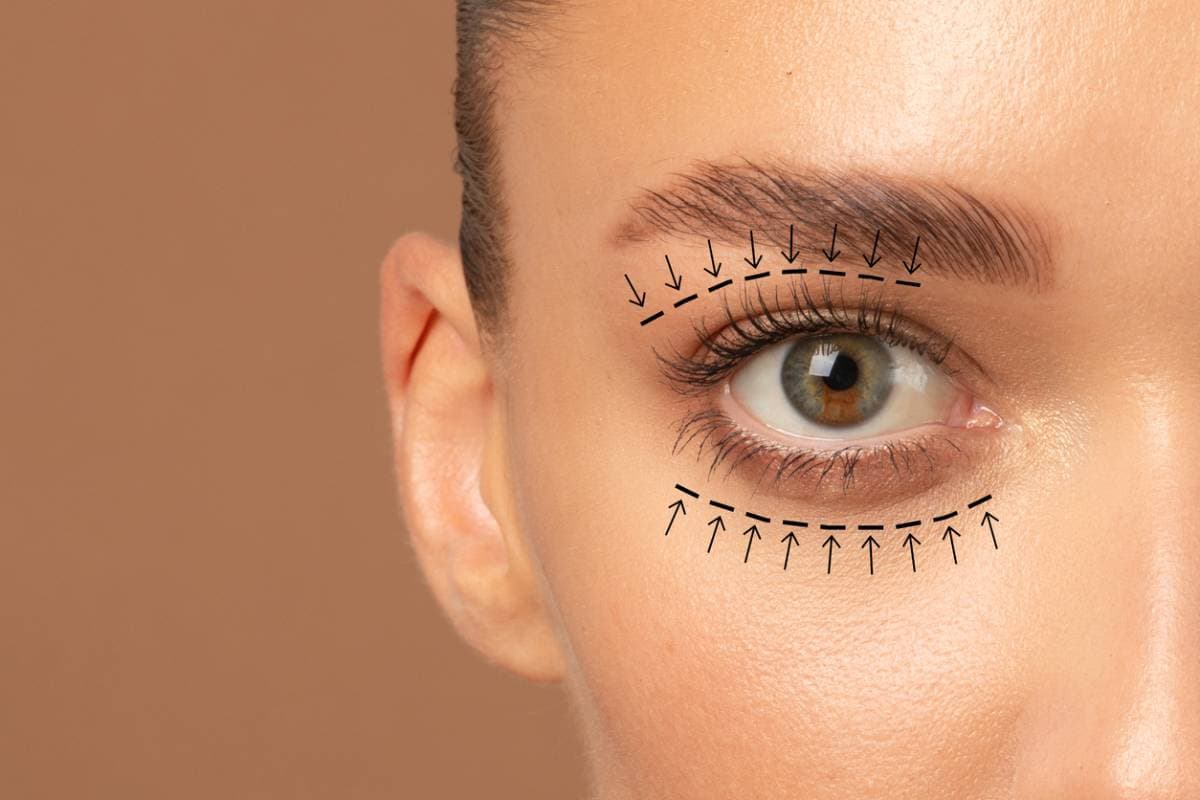
A facelift does not treat the eyes. If your upper lids feel heavy, you have bags under the eyes or your brows have descended, blepharoplasty or an endoscopic brow lift can be performed in the same session. You go through one anaesthetic and one recovery period, and the result looks more balanced. Surgery takes longer, and swelling around the eyes can extend recovery slightly.
The day of surgery
How long does facelift surgery take?
A facelift usually takes between three and six hours. A limited lift can be shorter, while a deep plane facelift with a neck lift, or one combined with other procedures, may take longer. Your surgeon will give you a precise estimate once your plan is defined.
Anaesthesia
Most facelifts are performed under general anaesthesia or deep intravenous sedation combined with local anaesthesia. The choice depends on the extent of the operation, your health and the anaesthetist's assessment. You will receive clear instructions beforehand, including fasting, usually for six to eight hours.
Hospital stay and postoperative care
Many patients spend one night in hospital under observation, then go home with a light compressive dressing and written instructions. The first days are about rest, keeping your head elevated, cold compresses and taking medication exactly as prescribed. Blood pressure control matters because it helps prevent a haematoma. Sutures are usually removed between day five and day ten, depending on the area.
Facelift recovery timeline
The first 48 hours are the least comfortable, with swelling, tightness and sometimes bruising. Most patients describe discomfort rather than strong pain. During the first week the swelling begins to settle, and short walks around the house are encouraged. By the second or third week most people look presentable to others, even if you still notice mild asymmetry and pockets of residual swelling.
When can patients return to work?
For desk-based work, most patients return after about two to three weeks. If you work from home, light tasks can resume earlier. Physically demanding jobs need more time. If you have an important event coming up, leave yourself more margin than the minimum.
When can patients exercise?
Walking is encouraged from the first days. Light exercise usually returns after two to three weeks, moderate training after three to four weeks and intense cardio after four to six weeks. Contact sports generally wait eight to twelve weeks. Your surgeon will adjust this schedule according to how you heal.
When does swelling disappear?
Most swelling settles within the first two to three weeks. Subtle swelling, often noticeable only to you, can persist for a few months, particularly along the jawline and neck. Numbness around the ears and cheeks is common and improves gradually as the sensory nerves recover.
When are final results visible?
The result takes shape at around three months and is largely stable by about six months. Scars continue to soften for up to a year. This is also why facelift before and after photographs are only meaningful when taken at comparable intervals and in the same lighting.
Travelling to Bucharest for a facelift
For patients coming from abroad, planning matters as much as the operation itself. A first assessment is usually done online with photographs, followed by an in-person consultation a day or two before surgery. Afterwards, most surgeons prefer patients to stay nearby for roughly a week to ten days for check-ups and suture removal. Flying is usually permitted once your surgeon has checked your healing, often somewhere around day seven to ten.
Before you leave, ask for your operative report, written aftercare instructions and a direct line to the medical team. On the flight, staying hydrated, walking the aisle and wearing compression stockings if recommended all help reduce the risk of complications. Later follow-ups can often be done remotely with photographs, and it is sensible to keep your own doctor at home informed.
How long does a facelift last?
A facelift does not stop the clock; it turns it back. Many patients enjoy a visible improvement for around ten years or longer, but longevity varies from one person to another. Genetics, skin quality, weight stability, sun exposure and smoking all influence how long the result holds. Claims that one technique outlasts another in every patient are not settled in the medical literature.
Possible risks and complications
Like any surgery, a facelift carries risks. The most common early complication is a haematoma, a collection of blood under the skin that may need to be drained. The risk is higher in men and in people with poorly controlled blood pressure, which is why blood pressure is watched closely after surgery.
Other possible complications include temporary weakness of facial nerve branches, prolonged numbness, infection, delayed skin healing (more common in smokers), visible or widened scars, hair loss near the incisions, asymmetry and, rarely, blood clots. Most complications are uncommon and treatable, and the risk falls when patients are carefully selected and follow their instructions. Your surgeon should discuss all of this openly before you book.
How to choose a facelift surgeon in Bucharest
Look for a specialist in plastic, aesthetic and reconstructive surgery with demonstrable experience in facial surgery and, ideally, in the specific technique being proposed. In Romania, you can check a doctor's registration with the Romanian College of Physicians (Colegiul Medicilor din România), which keeps a public register. Ask to see results in patients whose anatomy resembles yours, published with consent, and notice whether limitations are explained as clearly as benefits.
Warning signs include pressure to pay immediately, guaranteed results, quotes that do not explain what is included and no clear plan for aftercare. A good facelift surgeon in Bucharest will give you time to think.
Questions to ask during your consultation
Which technique do you recommend for my anatomy, and why?
How often do you perform this operation?
What exactly does the price include, and what does it exclude?
What will my recovery look like, and when can I fly home or return to work?
Which risks are most relevant in my case?
Who follows me after surgery, and how do I reach the team?
What happens if a small correction is needed later?
About the surgeon
Dr. Mubariz Mammadli is a plastic surgeon with a professional focus on facial rejuvenation and advanced facial surgery techniques. Each case is assessed personally, and patients receive a written plan and quote before surgery is scheduled.
Frequently asked questions
How much does a facelift cost in Bucharest?
The price depends on the technique, the areas treated, whether a neck lift is included, anaesthesia, hospital costs and the complexity of your case. For that reason, the exact cost is confirmed after a consultation, in a written quote. Always compare what each quote includes, not only the total.
Is Bucharest a good place to have a facelift?
Bucharest has well-equipped private clinics and surgeons who work with modern techniques, including deep plane and endoscopic approaches. The outcome, however, depends on the surgeon you choose rather than the city. Check the surgeon's experience, results in comparable cases and how aftercare is organised, especially if you are travelling.
How long does facelift recovery take?
Most patients are comfortable being seen socially after two to three weeks. Subtle swelling can persist for a few months, and the final result is usually visible at around three to six months. Healing speed varies from person to person.
How painful is facelift surgery?
Most patients describe tightness, pressure and numbness rather than severe pain. Discomfort is usually controlled with standard medication and eases considerably within a few days. Sudden or one-sided pain should be reported to your surgeon straight away.
How long does swelling last after a facelift?
Most visible swelling settles within two to three weeks. Mild swelling along the jawline and neck can remain for a few months. Keeping your head elevated, using cold compresses early on and avoiding strain all help.
When can I fly after a facelift?
Flying is usually allowed once your surgeon has checked your healing, often around day seven to ten. International patients generally plan a stay of about ten to fourteen days. During the flight, stay hydrated and move regularly.
How long do facelift results last?
Many patients enjoy a visible improvement for around ten years or more, although ageing continues. Longevity depends on genetics, skin quality, weight stability, sun exposure and smoking. A healthy lifestyle helps preserve the result.
What is a deep plane facelift?
It is a technique in which the surgeon works beneath the SMAS layer and releases the ligaments holding tissue down, lifting skin and SMAS together without tension on the skin. It can effectively address descended cheeks and the jawline. It demands experience and is not the right choice for everyone.
What is the difference between a facelift and a mini facelift?
A mini facelift is a more limited operation with shorter incisions, suited to mild laxity. Recovery is shorter, but it has less effect on the neck and midface. A full facelift treats the deeper structures over a larger area.
Can a facelift be combined with a neck lift?
Yes, and the combination is very common because the face and neck age together. A neck lift can address platysmal bands, fat under the chin and the jawline contour. Surgery takes longer, but the result is more balanced.
How do I choose a facelift surgeon in Bucharest?
Choose a specialist in plastic surgery with experience in facial surgery and in the technique recommended to you. Check the doctor's registration with the Romanian College of Physicians, ask for results in similar cases and request a detailed written quote. Avoid pressure to decide immediately and any promise of guaranteed results.
Will the scars be visible?
Every incision leaves a scar, but facelift incisions are placed in the creases around the ear and within the hairline. Once healed, they are usually discreet. Sun protection and careful scar care in the first months support better healing.
Suggested external links
deep plane facelift → Deep plane face and neck lift ( drmubariz.com/services/deep-plane-facelift)
endoscopic facelift → Endoscopic deep plane face lift ( drmubariz.com/services/endoscopic-full-facelift)
how the surgery is performed → How Is Endoscopic Facelift Performed? (drmubariz.com/blog/how-is-endoscopic-facelift-performed)
facelift cost → How Much Does a Facelift Cost? (drmubariz.com/blog/how-much-does-a-facelift-cost)
endoscopic brow lift → Endoscopic Brow Lift Complete Guide 2026 (drmubariz.com/blog/endoscopic-brow-lift-complete-guide-2026)
consultation → The Aesthetic Consultation ( drmubariz.com/blog/the-aesthetic-consultation-the-first-step-toward-transformation)
natural, lasting results → Facelift Techniques for Lasting Natural Results ( drmubariz.com/blog/facelift-techniques-for-lasting-natural-results)
midface → MM Lift ( drmubariz.com/services/mm-lift)
facelift recovery → Deep Plane Facelift Recovery: What to Expect
smile after surgery → Can a Facelift Affect My Smile?
neck lift → Neck Lift
blepharoplasty → Blepharoplasty for a Rested Appearance
Want a tailored opinion? Schedule a discreet consultation with Dr. Mubariz Mammadli.
Related reading
Aesthetic medicine blog
Education
Lower Blepharoplasty Recovery: What to Expect
A day by day guide to lower blepharoplasty recovery, from the first swelling to final results at six to eight weeks.

Education
The Complete Guide to Plastic Surgery in Bucharest
A complete guide to plastic surgery in Bucharest, procedures, pricing, travel planning, and what to ask before booking.
Education
Non-Surgical Rhinoplasty: When Is It Enough?
Non-surgical rhinoplasty uses filler to smooth bumps and refine your profile temporarily, but it has real limits worth understanding.