
Facial Rejuvenation Without Visible Traces Through Deep Plane
Deep Plane facial rejuvenation is designed to avoid the pulled, operated look of traditional facelifts, working beneath the skin instead of against it.
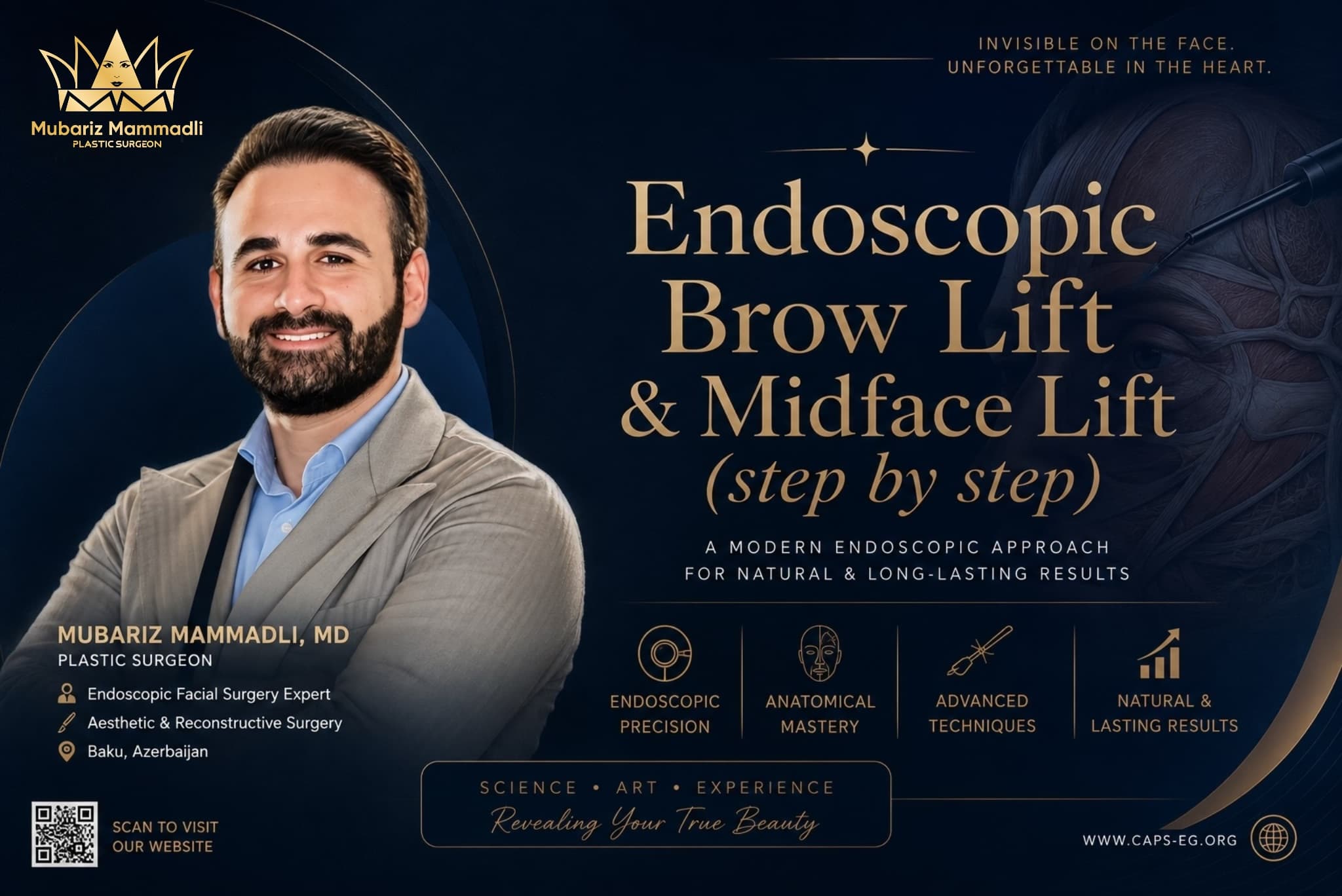
One of the most common worries patients bring into a facelift consultation isn't about the surgery itself, it's about looking obviously operated on. Nobody wants friends or coworkers to notice a change and immediately think "facelift." The Deep Plane technique was developed specifically to address this concern, and understanding how it works helps explain what a genuinely natural result actually looks like.
Why Some Facelifts Look "Done"
Traditional skin only facelifts work by pulling the skin backward and trimming the excess. The problem is that skin alone was never meant to hold that kind of tension over the long term. This can create a stretched or windswept appearance, especially around the temples and cheeks, that reads as surgical rather than simply younger.
What Deep Plane Does Differently
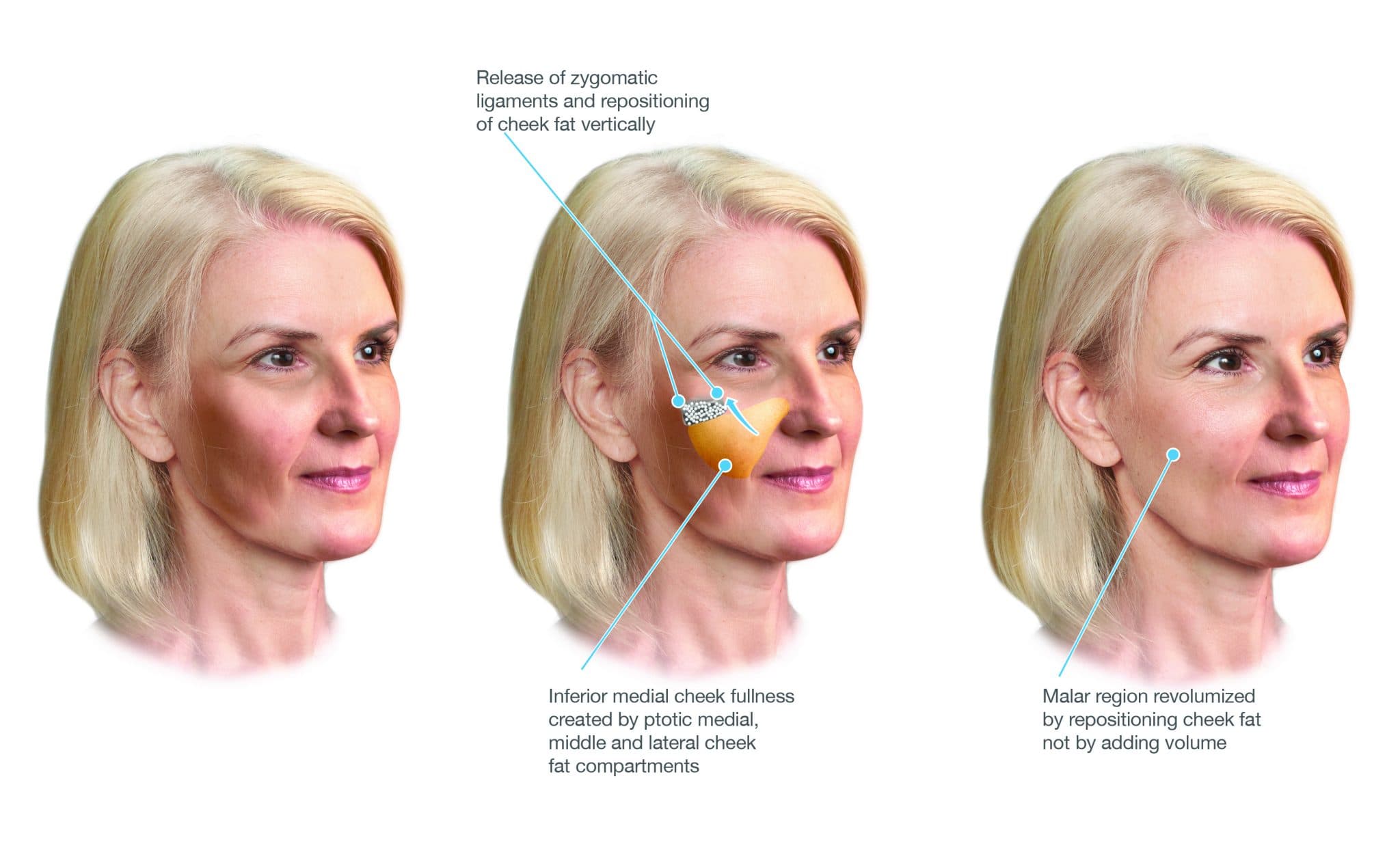
Deep Plane surgery works beneath the skin, at the level of the muscle and connective tissue layer called the SMAS. Instead of separating skin from this layer and pulling each one on its own, the surgeon releases the ligaments holding everything down and repositions skin and SMAS together, as one unit. Because the skin itself is never placed under direct tension, there is no pulling sensation and no stretched look once healing is complete.
This matters most in areas like the midface and jawline, where traditional techniques often fall short. Moving the deeper layer allows cheek volume to lift along with the skin, rather than skin sliding over tissue that hasn't moved at all. The result tends to look proportionate rather than pulled toward the ears, which is often the first sign people notice in less natural looking facelifts.
Where the Incisions Actually Go
The incisions used in Deep Plane surgery follow the natural hairline and the contour in front of and behind the ear, in roughly the same places surgeons have used for decades. What differs is that because the skin isn't under tension, the resulting scars tend to heal as fine lines instead of widening over time. Once hair regrows and the incision matures, most patients find it very difficult for anyone to spot, even up close.
Why the First Few Weeks Don't Show the Real Result
It's worth being honest that the face doesn't look "finished" right after surgery. Swelling and bruising are a normal part of healing and can temporarily mask the more subtle changes Deep Plane is designed to produce. Patients sometimes worry in this early window that something looks off, when the tissue is simply still settling into its new position.
The natural look tends to emerge gradually over the following weeks, as swelling resolves and the repositioned tissue relaxes into place. By around three to six months, most patients see what will essentially be their long term result, though healing timelines and the exact pace of change vary from one person to another. This is one part of the process where patience genuinely pays off.
Who Tends to Be a Good Fit
Deep Plane surgery is usually most appropriate for patients with moderate to more advanced signs of aging in the midface, jawline, and neck, where deeper repositioning makes a meaningful difference. For milder changes, a less extensive technique or a non-surgical option may achieve a similar improvement with far less recovery involved. A proper consultation, including an honest look at your own anatomy, is really the only way to know which approach fits your face specifically.
Conclusion
Looking naturally rested rather than obviously changed comes down largely to technique, not chance. Deep Plane surgery was designed around that specific goal, moving the deeper structures of the face rather than relying on tension in the skin to create an effect. As with any procedure, individual results, recovery, and timelines vary. The best way to know what to expect is a conversation with a surgeon experienced specifically in this technique.
FAQ - Deep Plane Facial Rejuvenation
Will people be able to tell I had surgery? That's really the goal of Deep Plane surgery. Because the deeper tissue is repositioned rather than the skin being pulled, most patients simply look more rested rather than obviously operated on.
Where exactly will the scars be, and will they show? The incisions follow the natural hairline and the area in front of and behind the ear. Because the skin isn't under tension, these tend to heal as fine lines that are very hard to spot once healing is complete.
When will I see my actual, final result? Swelling and bruising mask the true result for the first few weeks. Most patients see close to their final outcome by around three to six months, though healing pace varies from person to person.
Am I a good candidate for Deep Plane surgery? It tends to suit patients with moderate to more advanced signs of aging in the midface, jawline, and neck. For milder changes, a less extensive technique might be a better fit, which a consultation can clarify.
How is Deep Plane different from a traditional facelift? A traditional facelift lifts the skin on its own, which can create tension and a stretched look. Deep Plane repositions the skin and the deeper SMAS layer together, so the skin itself is never pulled directly.
Does Deep Plane surgery hurt more than a regular facelift? Discomfort is generally similar to other facelift techniques and is managed with medication in the days after surgery. Most patients describe pressure and tightness rather than sharp pain.
How long do the results typically last? Deep Plane results tend to be long lasting, often cited in the range of ten to fifteen years, though this varies with age, skin quality, and lifestyle factors like sun exposure and smoking.
Can Deep Plane be combined with other procedures? Yes, it's often combined with eyelid surgery, brow lifting, or fat grafting for a more complete result. Your surgeon can advise whether combining procedures makes sense for your specific case.

About the author
Dr. Mubariz Mammadli
Plastic surgeon
Dr. Mubariz Mammadli offers advanced plastic surgery and aesthetic treatments in Bucharest, Naples and Baku, with a refined, patient-first approach.
View full profileRelated treatment
Want a tailored opinion? Schedule a discreet consultation with Dr. Mubariz Mammadli.
Related reading
Aesthetic medicine blog
Education
Recovery After a Deep Plane Facelift: What to Expect
A stage by stage guide to recovery after a deep plane facelift, from the first 48 hours through to final results at three to six months.

Education
The Complete Guide to Plastic Surgery in Bucharest
A complete guide to plastic surgery in Bucharest, procedures, pricing, travel planning, and what to ask before booking.
Education
How Much Does a Facelift Cost Depending on Complexity?
How much does a facelift cost depending on complexity transparent 2026 prices: from €18,000 to €37,000. What the price includes and how to choose.