
Recovery After a Deep Plane Facelift: What to Expect
A stage by stage guide to recovery after a deep plane facelift, from the first 48 hours through to final results at three to six months.
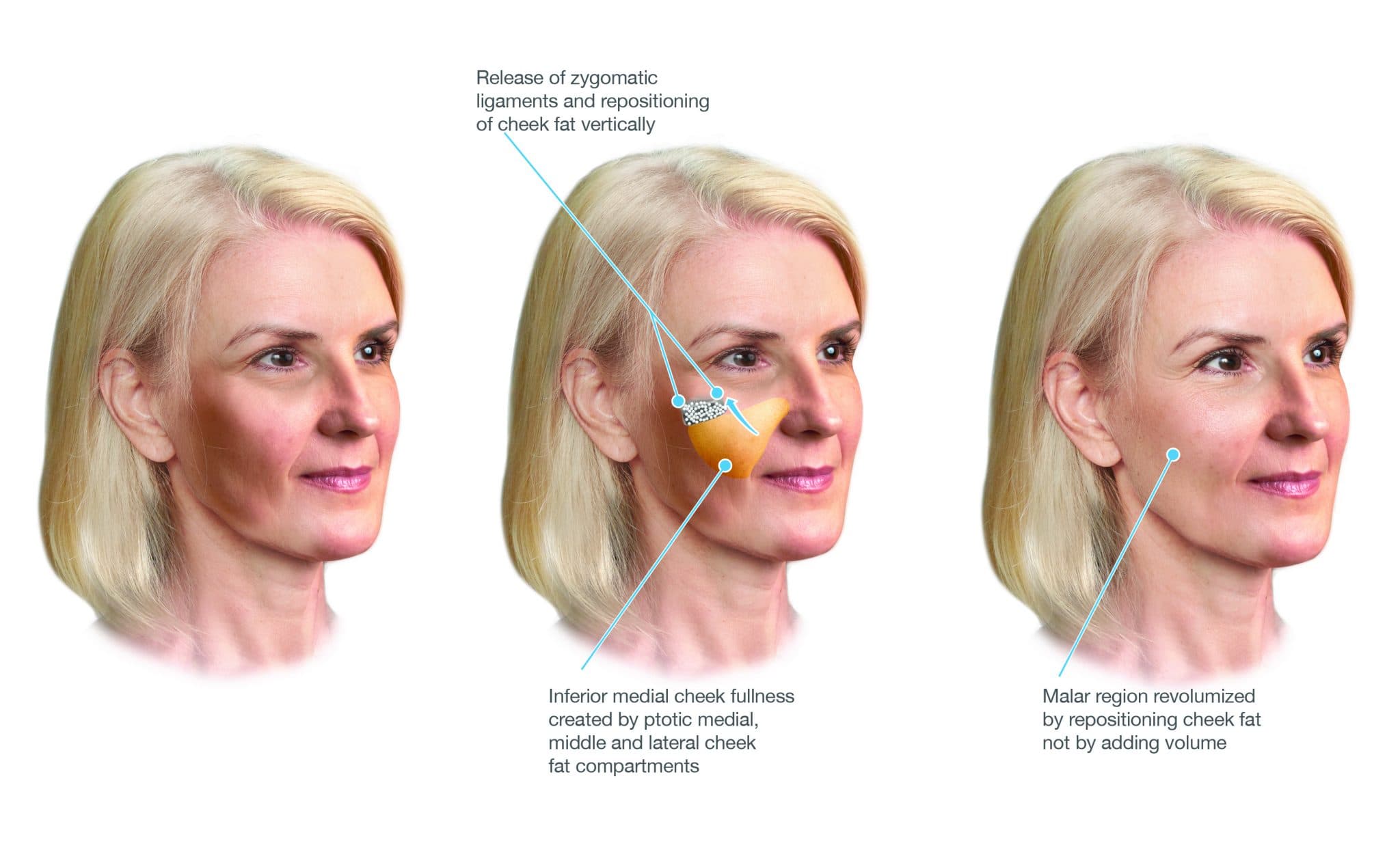
Deciding to have a facelift is only half the journey. What happens in the weeks afterward matters just as much, and knowing what's coming can make the whole experience feel far less uncertain. This guide walks through recovery stage by stage, though it's worth saying upfront that healing pace and exact timelines always vary somewhat from one patient to another.
The First 24 to 48 Hours
The first day or two after surgery is usually the hardest part, simply because it's the least predictable. Swelling tends to peak during this window, and grogginess from anaesthesia is completely normal. Most surgeons ask patients to keep their head elevated, even while sleeping, since this alone makes a noticeable difference in how quickly swelling starts to settle.
Some numbness around the treated areas is expected at this stage and isn't a cause for concern. A small drain is sometimes used and, if so, is usually removed within a day or two at a short follow up visit. Rest matters more here than at almost any other point in recovery, so this really isn't the time to push through discomfort.
The First Week
Bruising typically shifts in colour over these first several days, moving from a deeper purple toward yellow and green as it fades. Swelling gradually decreases too, although it can seem to move around the face a bit before it fully settles. Sutures are usually removed somewhere between day seven and day ten, at which point many patients already feel noticeably better than they did just days earlier.
Keeping the head elevated and avoiding bending forward still matters through this week. Gentle daily walks are usually encouraged, since light movement supports circulation without putting any strain on healing tissue.
Two to Three Weeks: Returning to Normal Life
By the two to three week mark, most patients feel ready to return to work and everyday social activities. Bruising has usually faded enough that light makeup can cover what remains, and swelling is far less noticeable than it was in the first week. This is often the point where people around you stop noticing anything at all, beyond perhaps commenting that you look rested.
Three to Six Weeks: Gradually Increasing Activity
Physical activity comes back in stages rather than all at once. Light exercise is usually fine from around three to four weeks, with more moderate cardio typically introduced between weeks four and six. Full activity, including contact sports, generally needs to wait until eight to twelve weeks, simply to give deeper tissue enough time to settle properly.
Sun protection deserves real attention during this period. Healing skin and fresh scars are more prone to pigmentation changes from sun exposure, so a proper sunscreen and some common sense about time outdoors go a long way.
Two to Six Months: The Real Result Emerges
It can be surprising how much continues to change well after the obvious healing is done. Deeper tissue keeps settling gradually, and any lingering numbness slowly improves as nerve endings regenerate, something that can genuinely take a few months for some patients. By around three to six months, most people are looking at what will essentially be their long term result.
What Helps Recovery Go Smoothly
A few habits make a real difference during this period. Avoiding smoking, ideally for at least four weeks before and after surgery, matters considerably for healing quality, since smoking measurably slows tissue recovery. Staying well hydrated, eating enough protein, and following your surgeon's guidance on medication and follow up visits all support the same goal.
Patience is honestly part of the process too. It's easy to compare your own progress day to day and worry that something looks off, when in most cases the tissue is simply still finding its way to its final position.
When to Contact Your Surgeon
Most recoveries proceed without any complications at all. That said, it's worth knowing the signs that genuinely warrant a call, sudden and severe pain (especially if it's only on one side), a fever above 38°C, unusual or asymmetric swelling, or any signs of infection such as unusual redness or discharge. These situations are uncommon, but a quick call to your surgeon is always the right move if something feels genuinely wrong rather than just a normal part of healing.
Conclusion
Recovery from a deep plane facelift follows a fairly predictable rhythm, even though the exact pace differs from person to person. The first couple of weeks ask for patience more than anything else, and the real reward tends to show up gradually over the following months. Staying in close contact with your surgeon throughout this period is the best way to feel confident that everything is progressing as it should.
FAQ — Deep Plane Facelift Recovery
How long until the swelling goes down? Swelling peaks in the first day or two and then gradually decreases. Most of it resolves within the first few weeks, though very subtle swelling can linger for a couple of months.
When can I go back to work? Most patients feel comfortable returning to work and social activities around two to three weeks after surgery, once bruising has faded enough to be covered with light makeup if needed.
When can I exercise again? Light activity is usually fine from around three to four weeks. More demanding cardio typically waits until four to six weeks, and contact sports until eight to twelve weeks.
Is the numbness permanent? No, though it can take a few months to fully resolve. This happens as nerve endings gradually regenerate and is a normal, expected part of healing.
When will I see my final result? Most patients are looking at close to their final outcome by three to six months after surgery, once all the deeper tissue has fully settled.
What can I do to help my recovery? Avoiding smoking, staying hydrated, eating enough protein, and following your surgeon's instructions on medication and follow up visits all genuinely support smoother healing.
When should I call my surgeon? Contact your surgeon if you notice sudden severe pain, a fever above 38°C, unusual asymmetric swelling, or any signs of infection. These situations are rare, but worth acting on quickly.

About the author
Dr. Mubariz Mammadli
Plastic surgeon
Dr. Mubariz Mammadli offers advanced plastic surgery and aesthetic treatments in Bucharest, Naples and Baku, with a refined, patient-first approach.
View full profileRelated treatment
Want a tailored opinion? Schedule a discreet consultation with Dr. Mubariz Mammadli.
Related reading
Aesthetic medicine blog
Education
Facial Rejuvenation Without Visible Traces Through Deep Plane
Deep Plane facial rejuvenation is designed to avoid the pulled, operated look of traditional facelifts, working beneath the skin instead of against it.

Education
The Complete Guide to Plastic Surgery in Bucharest
A complete guide to plastic surgery in Bucharest, procedures, pricing, travel planning, and what to ask before booking.

Education
Facelift in Bucharest: Price, Procedure and Recovery
Considering a facelift in Bucharest? Learn what affects the price, how the surgery is performed, what recovery looks like and how to choose your surgeon.